
In the era of remote work, where our homes have transformed into our offices, creating an efficient workspace is paramount. Over the past three years, the market has been flooded with high-end equipment promising to revolutionize our work-from-home experience. From $300 standing desks to $200 monitors, these investments frequently top the recommendations for home office setups. However, the reality for many is that such high-priced solutions are not always feasible or necessary. Our search for affordable yet impactful office upgrades led to a month-long test of five under-$50 products that genuinely improved daily productivity. This article explores these cost-effective investments: a clip-on desk fan, a cable management tray, a laptop stand, an analog kitchen timer, and a footrest. Each of these items, in its own way, made a significant difference in our daily routine, proving that you don’t need to spend a fortune to optimize your home office.
Context
The shift to remote work over the past few years has spurred an unprecedented demand for home office upgrades. With professionals seeking to replicate the comfort and efficiency of traditional offices at home, the market has seen a surge in high-end office furniture and gadgets. Companies have capitalized on this trend, offering products that promise to boost productivity and improve ergonomics. However, these innovations often come with hefty price tags, leaving many workers searching for more affordable alternatives.
While expensive gear can offer significant benefits, the need for budget-friendly solutions has never been more apparent. Many remote workers, particularly those who transitioned abruptly, found themselves faced with the challenge of optimizing their space without breaking the bank. As the home office upgrade industry has matured, a niche for affordable and practical solutions has emerged, catering to those who seek to improve their work environment without making a significant investment.
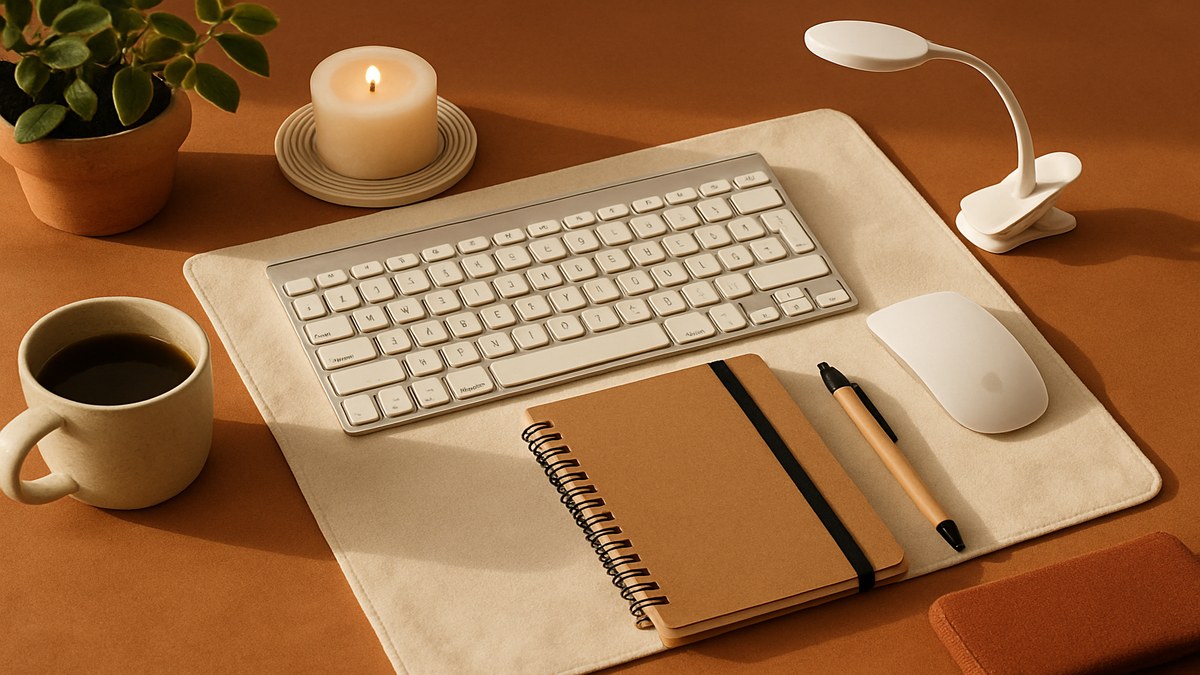
This week, as the spotlight continues to shine on remote work optimizations, we delve into the under-$50 category. Our objective is to identify practical upgrades that not only fit within a modest budget but also deliver tangible improvements in daily work routines. The items featured in our list stand as testament to the idea that effective home office enhancements need not come at a steep cost.
What Happened
Over the course of a month, we tested five budget-friendly home office upgrades to assess their impact on daily work life. The first item on our list, a clip-on desk fan priced at $15, quickly became a favorite. This fan was instrumental in combating the post-lunch slump often experienced during warm afternoons. Its compact design and adjustable speed settings allowed for a personalized and refreshing breeze, keeping energy levels high throughout the day.
Next, a $12 cable management tray proved to be a game-changer in maintaining an organized workspace. The struggle of untangling cables and identifying which cord belonged to which device was effectively eliminated. The tray neatly housed all necessary wires, reducing clutter and frustration while also minimizing tripping hazards. This simple addition not only improved the aesthetics of the workspace but also contributed to a more efficient work process.

The third item, a $29 laptop stand, addressed common ergonomic issues associated with prolonged laptop use. By elevating the laptop screen to eye level, this stand significantly reduced neck and shoulder strain. The adjustable height feature ensured customization to individual comfort, making it a valuable addition to any desk setup. Paired with an external keyboard and mouse, the stand transformed the traditional laptop experience into a more ergonomic and comfortable setup.
Why It Matters
These modest investments highlight the potential of affordable home office upgrades to enhance productivity and comfort. In particular, the clip-on desk fan serves as a reminder that small changes can have a profound impact on energy levels and work efficiency. By addressing issues such as temperature control, workers can maintain focus and avoid the dreaded afternoon slump without resorting to costly alternatives such as air conditioning units.
The cable management tray underscores the importance of organization in a productive workspace. By eliminating the daily annoyance of tangled cables, workers can focus more on their tasks and less on mundane distractions. This simple solution demonstrates that effective organization does not always require expensive office equipment.
Ergonomics, often associated with high-end office furniture, can also be improved with budget-friendly solutions. The laptop stand exemplifies this by offering a means to enhance posture and reduce strain without significant financial investment. As remote work becomes a permanent fixture for many, such practical solutions will continue to gain traction, providing comfort and efficiency without the financial burden.
How We Approached This
Our editorial team conducted a hands-on test of various affordable office products over a month-long period, focusing on items that promised practical benefits at a low cost. We selected these products based on their potential to address common work-from-home challenges, such as temperature regulation, cable management, and ergonomics. Our testing methodology prioritized real-world application and personal comfort, which allowed us to assess the true value of each product.
We excluded items that did not meet our practical criteria or that required complex setup or maintenance. Our emphasis was on straightforward, user-friendly solutions that integrate seamlessly into daily routines. This approach reflects our commitment to offering our readers genuine insights into products that can enhance their home office experience without straining their budgets.
Frequently Asked Questions
Are these products suitable for any home office setup?
Yes, the products we tested are versatile and can be easily incorporated into most home office setups. They are designed to address common challenges faced by remote workers, such as ergonomics and organization, making them suitable for a wide range of environments and desk configurations.
How did you determine the effectiveness of each product?
We evaluated each product based on its ability to improve comfort, organization, and productivity during a typical workday. Our team used the products daily over a month-long period, assessing their impact on our workflow and overall work-from-home experience. Feedback was gathered from multiple team members to ensure a well-rounded evaluation.
Are there any long-term benefits to these upgrades?
Indeed, these upgrades offer long-term benefits by improving ergonomics, reducing clutter, and enhancing comfort. Over time, such improvements can lead to better posture, increased focus, and a more organized workspace, all of which contribute to sustained productivity and well-being in a remote work setting.
These under-$50 home office upgrades represent a shift towards practical and affordable solutions in the remote work landscape. As we continue to navigate the challenges and opportunities of working from home, these items serve as a reminder that significant improvements do not always come with a hefty price tag. By focusing on comfort, organization, and efficiency, remote workers can enhance their productivity and well-being without breaking the bank. These small changes can lead to meaningful improvements, making a tangible difference in daily work life for those embracing the remote work era.