
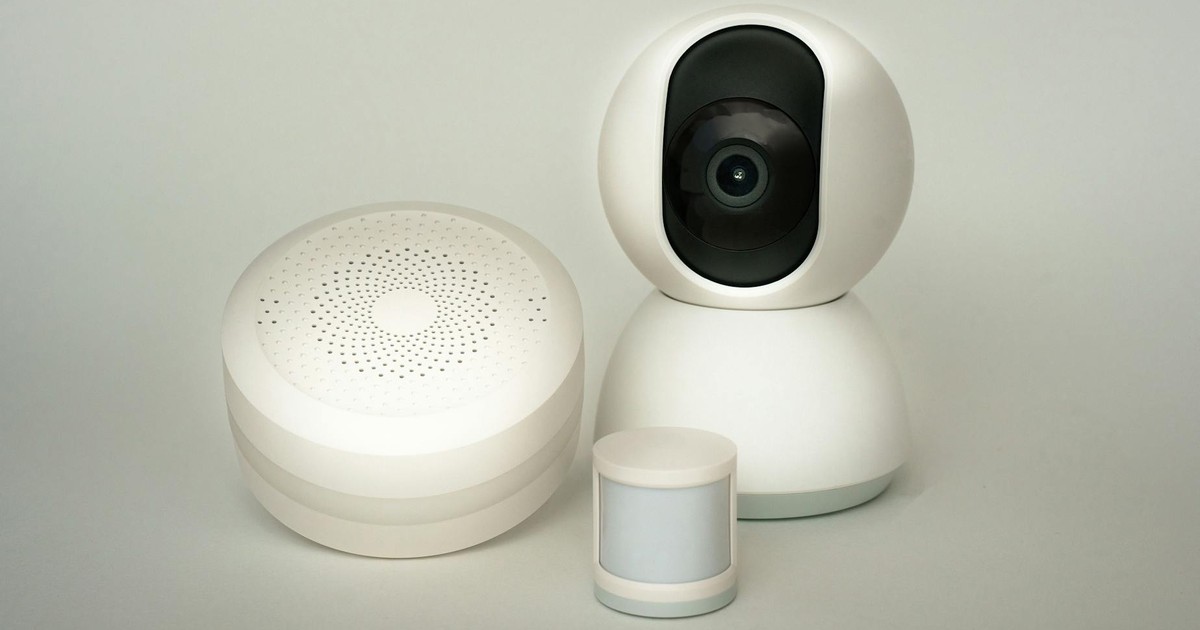
Introduction: The Silent Guardians You’re Missing
When we think of home security, the usual suspects come to mind: blaring alarm systems, conspicuous cameras, and “Beware of Dog” signs. While these are effective, modern thieves have adapted. They case homes looking for these standard defenses to find a workaround. The real edge in home protection in 2024 lies not in the obvious, but in the overlooked—the gadgets that operate silently in the background, creating a layered defense so comprehensive that intruders are detected, delayed, and deterred before they even reach your front door. These are the tools that frustrate criminal plans because they’re unexpected. Let’s dive into the seven most underrated home security gadgets that are quietly revolutionizing safety and that thieves genuinely hope you never discover.
| # | Pick | Best For | Key Strength | Watch-out |
|---|---|---|---|---|
| 1 | Smart Water Valve Shutoff | Homes with plumbing and away schedules | AI detects anomalous water use as intrusion | Requires professional installation and Wi-Fi |
| 2 | Vibration Glass Break Sensors | Homes with many windows or glass doors | Detects glass cutting vibrations and shattering | May trigger false alarms from loud noises |
| 3 | Smart Light Switch Randomization | Households with regular away periods | Mimics human presence with unpredictable patterns | Needs compatible smart home system setup |
| 4 | Door Reinforcement Kits | Homes with wooden door frames | Distributes force to resist kick-in attacks | Requires drilling and may damage walls |
| 5 | PoE Security Cameras | Tech-savvy users with wired network access | Uninterruptible power and data via Ethernet | Needs professional cabling installation |
| 6 | Fake Smart Home Hub Panel | Budget-conscious homeowners seeking deterrence | Creates illusion of professional monitoring system | No actual protection if intruder tests it |
| 7 | UWB Smart Keys and Trackers | Users with compatible smartphones and devices | Precision location tracking and secure access | Limited device compatibility and higher cost |
7. Smart Water Valve Shutoff with Leak & Intrusion Detection
At first glance, this seems purely for preventing plumbing disasters. But its security application is brilliantly covert. These devices, like the Phyn Plus or Moen Flo, learn your home’s water usage patterns. An unexpected water flow event in the middle of the day when no one is home could indicate a burst pipe—or someone using your sink or toilet after breaking in.
Why Thieves Hate It:
It creates an unpredictable response. A thief running a tap might trigger an automatic shutoff and an immediate alert to your phone, signaling that their presence has been detected in a way they don’t understand. It adds a layer of environmental awareness to your home that is completely off the typical criminal’s radar. Furthermore, by preventing water damage, it protects your home from a different kind of “invasion,” making it a dual-purpose powerhouse.
- Key Feature: AI-powered pattern recognition flags anomalous water use.
- Stealth Factor: Looks and functions as a utility device, not security.
- Pro Tip: Pair it with a smart home routine that turns on lights if a leak—or intrusion—is detected while you’re away.
6. Vibration Glass Break Sensors
Window sensors are common, but most are simple contact sensors on the frame. A pro might bypass those by carefully cutting the glass. Enter the vibration glass break sensor. These small, discreet devices attach directly to the glass pane itself and listen for the specific high-frequency shock and sound of glass shattering.
Why Thieves Hate It:
It makes every window a potential alarm trigger, regardless of how it’s opened or breached. Even if a thief is skilled enough to cut a hole in the glass without a loud crash, the precise vibrations from the cutting tool can be detected. This gadget turns the thief’s point of entry—the window—into a betrayer. It’s a classic example of a “set it and forget it” device that provides a critical, immediate alert the moment a breach is attempted.
- Key Feature: Dual-technology (vibration + acoustic) detection for fewer false alarms.
- Stealth Factor: Tiny, often placed in a window corner, easily mistaken for a part of the window itself.
- Pro Tip: Install these on basement windows, skylights, and other secondary access points that are often overlooked.
5. Smart Light Switch Schedules with “Randomization” Mode
Smart bulbs get all the hype, but smart light switches are the unsung heroes. While using an app to turn lights on/off is helpful, the real magic is in advanced scheduling. The most underrated feature? Randomization.
Why Thieves Hate It:
Criminals surveil homes for days to learn patterns. Lights that come on at exactly 7:00 PM every evening scream “timer.” But lights that turn on and off at slightly different intervals in different rooms mimic the unpredictable behavior of actual human presence. A thief watching your house sees activity in the living room at 8:12 PM, the bedroom light at 9:47 PM, and the kitchen light briefly at 10:23 PM. This creates the powerful illusion that someone is moving around inside, making your home a much riskier target.
- Key Feature: Native “Away Mode” that randomizes lighting automatically.
- Stealth Factor: Replaces your existing switch; no visible gadgetry.
- Pro Tip: Use smart plugs with the same feature on radios or TVs for added auditory realism.
4. Door Reinforcement Kits & High-Security Strike Plates
Your smart lock is only as strong as the door frame it’s mounted on. A powerful kick can splinter a standard wooden frame, rendering the most expensive lock useless in seconds. A door reinforcement kit or a high-security steel strike plate with 3+ inch screws is the ultimate force multiplier.
Why Thieves Hate It:
Speed and noise are a burglar’s enemies. These devices turn a quick, quiet kick-in into a prolonged, loud, and physically exhausting struggle. The screws anchor the plate deep into the home’s wall studs, distributing force and making the entry point immensely more resistant to blunt force. This forces the thief to make a choice: continue making a tremendous racket or flee. In most cases, they will choose the latter.
- Key Feature: Military-grade steel and long screws that fortify the weakest link.
- Stealth Factor: Completely invisible from the outside; the deterrent is only revealed upon attack.
- Pro Tip: Install these on every exterior door, especially vulnerable sliding doors and frames.
3. Network-Powered (PoE) Security Cameras
Wi-Fi cameras are convenient but have vulnerabilities: signal jamming, bandwidth issues, and power dependency. Power over Ethernet (PoE) cameras are the professional’s choice now available for homes. A single Ethernet cable provides both power and a ultra-stable, hardwired data connection.
Why Thieves Hate It:
These systems are nearly impossible to disable remotely. A thief with a $20 Wi-Fi jammer can blind your wireless cameras, but a PoE camera on a wired network keeps recording. The footage is often stored on a local Network Video Recorder (NVR) hidden inside the home, so cloud service disruptions or cuts don’t matter. It represents a persistent, reliable eye that cannot be easily fooled by simple electronic countermeasures.
- Key Feature: Uninterruptible power and data via a single cable; higher reliability and often better video quality.
- Stealth Factor: The wiring is hidden, and the system’s resilience is not apparent to an observer.
- Pro Tip: Run the cables through your attic or walls during a renovation for a clean, professional installation.
2. Fake (But Convincing) Smart Home Hub Panel
This is psychological warfare. You can buy a realistic, non-functional replica of a high-end security system touch panel for a fraction of the cost. Mount it prominently near your main entryway.
Why Thieves Hate It:
It exploits a thief’s risk assessment. When a criminal sees a professional-looking security panel with a branded logo (like ADT, Vivint, etc.), they immediately assume the house is professionally monitored with sensors on every door and window. They don’t know it’s a dummy. The perceived risk and complexity of the job skyrocket, and they are far more likely to move on to an easier, less defended target. It’s a massive deterrent for a minimal investment.
- Key Feature: Authentic-looking LED lights and logos.
- Stealth Factor: It’s security through blatant, but deceptive, visibility.
- Pro Tip: Pair it with real window decals and yard signs from the same brand for maximum believability.
1. Ultra-Wideband (UWB) Smart Keys & Location Trackers
This is the cutting edge. While Bluetooth trackers like AirTags are known, Ultra-Wideband (UWB) technology is a game-changer for precision. Devices like the Apple AirTag (UWB version) or Samsung SmartTag+ can be hidden in valuables, but the real security hack is in access control.
Why Thieves Hate It:
New smart locks and car keys are using UWB for presence-based security. Your door unlocks only when your specific, cryptographically-secure UWB key (like your phone) is precisely approaching the door. It can’t be relayed or copied like a traditional key fob signal. Furthermore, a UWB tracker hidden in a family heirloom or laptop bag provides pinpoint, directional location data if stolen, turning your stolen item into a covert tracking beacon that leads directly to the thief’s location. It neutralizes both physical theft and digital signal replay attacks.
- Key Feature: Centimeter-level precision and secure, un-relayable communication.
- Stealth Factor: The technology is invisible and integrated into everyday items like your phone or a tiny tag.
- Pro Tip: Hide a UWB tag in your car’s glove box and another in an expensive piece of outdoor equipment like a grill or power tool case.
Conclusion: Building Your Impenetrable Layers
The modern home security strategy isn’t about one magical device; it’s about creating layers of deterrence, detection, and delay. The most underrated gadgets are those that fill the gaps in this layered defense. They protect the weak points (your door frame, your windows), create convincing illusions (randomized lights, dummy panels), and leverage unexpected technologies (water flow, precise tracking). By integrating a few of these overlooked 2024 solutions—from the brute-force strength of a reinforced strike plate to the digital brilliance of UWB—you move beyond a simple alarm system. You build a smart, adaptive, and deeply frustrating environment for any would-be intruder. Start with the layer that addresses your biggest vulnerability, and remember: the best security is the kind a thief never sees coming, or fully understands, until it’s far too late.