
Introduction: The Hype Cycle on a Plate
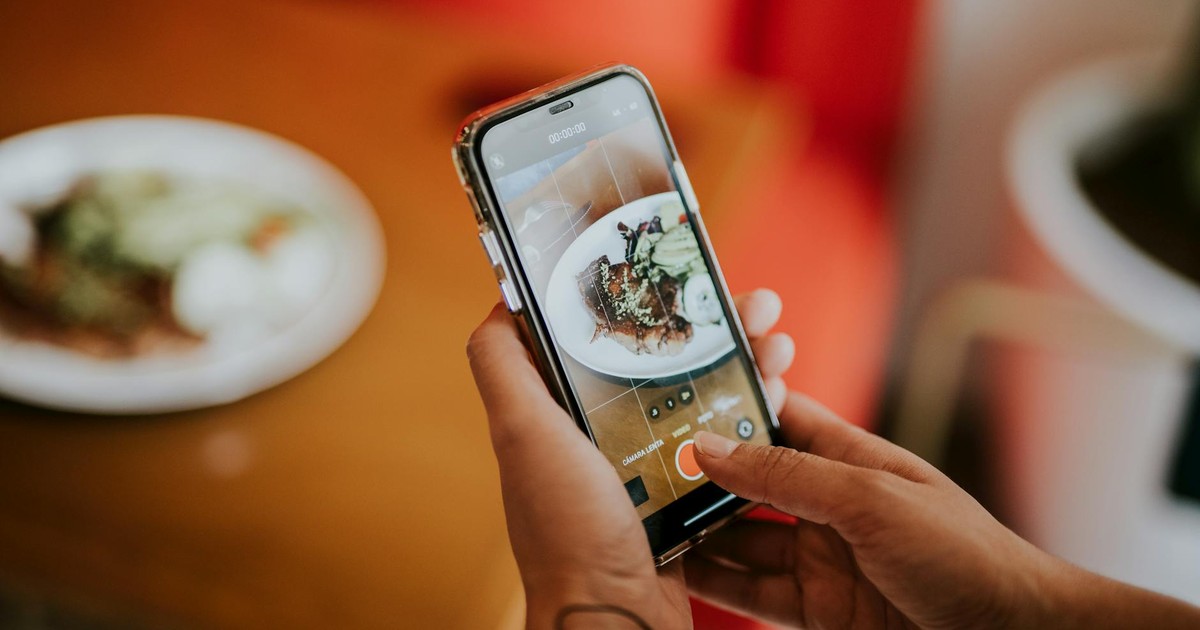
Every year, the food world spins faster, propelled by social media virality, celebrity endorsements, and a relentless quest for the “next big thing.” 2024 has been no exception, serving up a buffet of trends that promise to revolutionize our palates, our health, and our Instagram feeds. But beneath the glossy veneer of influencer hype and artfully staged photos, many of these trends are more style than substance—overpriced, underwhelming, or simply a reheated version of an old idea. It’s time to cut through the noise. We’ve compiled the eight most overhyped food trends of the year and, more importantly, what you should be eating instead. Prepare for some honest, opinionated, and deliciously contrarian takes.
| # | Pick | Best For | Key Strength | Watch-out |
|---|---|---|---|---|
| 1 | Hyper-Specific Functional Beverages | People seeking wellness through engineered drinks | Claims to optimize gut-brain axis with nootropics | Overstated benefits with micro-doses and high prices |
| 2 | Alt-Seafood That Misses the Mark | Seafood lovers wanting sustainable plant-based options | Promises mercury-free and environmentally friendly seafood | Often has rubbery texture and questionable aftertaste |
| 3 | Deconstructed Everything | Diners preferring minimalist and aesthetic food presentation | Highlights individual ingredients with artistic plating | Disjointed eating experience with premium pricing |
| 4 | CBD-Infused Fine Dining | Wellness-focused diners seeking calming luxury meals | Combines cannabidiol with high-end culinary experiences | Inconsistent dosing and bitter flavor at high cost |
| 5 | Climate-Friendly Labeling on Everything | Eco-conscious shoppers looking for sustainable products | Promotes carbon-neutral and regeneratively farmed goods | Often involves greenwashing with vague unverified claims |
| 6 | Gourmet Air-Fried Anything | Home cooks wanting crispy food with less oil | Uses air fryers for healthier versions of fried foods | Cannot replicate deep-fried texture and quality |
| 7 | The $20 Artisan Toast | Brunch enthusiasts seeking elevated bread experiences | Features premium ingredients on artisanal sourdough | Extreme markup for simple toast with toppings |
| 8 | Algorithmic Flavor Pairing and Viral Foods | Social media users chasing novel food trends | Creates buzz with bizarre combinations and visual gimmicks | Prioritizes clicks over taste and nutritional value |
8. Hyper-Specific Functional Beverages
Move over, simple kombucha. The new frontier is drinks engineered with a dizzying array of nootropics, adaptogens, and compounds with unpronounceable names, each promising to “optimize your gut-brain axis” or “unlock mitochondrial function.” We’re talking about sparkling waters that claim to combat anxiety and sodas that purport to enhance focus. While the intent—supporting wellness through food—is noble, the execution often feels like drinking a lab experiment with a steep price tag. The benefits are frequently overstated, relying on micro-doses of ingredients that you’d need to consume by the gallon to feel any real effect.
What to Try Instead: Herbal Teas & Simple Infusions
Return to time-tested, holistic simplicity. A properly brewed cup of chamomile or peppermint tea offers genuine, noticeable calming or digestive benefits. For a more modern twist, try cold-brewing hibiscus for a vitamin-C-rich, tart refresher, or make your own ginger-turmeric infusion with a squeeze of lemon and a dash of black pepper (to activate the curcumin). You control the ingredients, you understand what you’re drinking, and your wallet will thank you.
7. “Alt-Seafood” That Misses the Mark
Following the rise of plant-based burgers, 2024 saw a surge in attempts to replicate the taste and texture of tuna, shrimp, and salmon from plants or lab cultures. The hype suggests a sustainable, mercury-free future for seafood lovers. The reality, however, is often a disappointing product with a questionable aftertaste, a texture reminiscent of rubbery gelatin, and an ingredient list longer than a fishing rod. The environmental promise is also complex, as many alternatives are highly processed, raising questions about their true footprint compared to responsibly sourced seafood.
What to Try Instead: Underutilized Sustainable Fish & Hearty Vegetables
Instead of fake fish, explore the real, delicious world of sustainable seafood. Seek out options like barramundi, sardines, or mussels, which are often lower on the food chain and farmed or caught with better practices. For a plant-based oceanic flavor, lean into vegetables that naturally offer umami and meaty textures. King oyster mushrooms, when shredded and sautéed, have a remarkable scallop-like quality. Hearts of palm can be flaked to mimic crab in salads. You’ll get more authentic flavor and nutrition without the processing hype.
6. Deconstructed Everything (The $40 Bowl of Parts)
The “deconstructed” trend has jumped the shark. What began as a clever chef’s technique to highlight individual components has morphed into a lazy excuse to serve disjointed, minimally prepared ingredients on a plate (or more often, in a bowl) for a premium price. A $24 “deconstructed Caesar salad” is just a few whole romaine leaves, a drizzle of dressing, a sprinkle of cheese, and two croutons placed meticulously apart. It’s less cooking and more food styling, prioritizing aesthetics over a cohesive, satisfying eating experience.
What to Try Instead: Masterfully Composed Salads & Family-Style Plates
Embrace the joy of things that are meant to be together. Seek out a properly tossed Niçoise salad, where the olive oil, tuna, beans, and egg mingle in every bite. Order or prepare family-style platters where sauces, mains, and sides are meant to be combined on your own fork according to your taste. The interaction of flavors is the entire point of great cuisine—don’t let a trend rob you of that simple pleasure.
5. CBD-Infused Fine Dining
CBD has escaped the realm of gummies and tinctures and landed on white-tablecloth tasting menus. Chefs are infusing everything from foie gras to chocolate mousse with cannabidiol, promising an elevated, calming dining experience. The hype is a perfect storm of wellness and luxury. The problem? The dosing is inconsistent and often negligible, the flavor can be bitter and intrusive, and the purported relaxing effects are completely negated by the eye-watering cost of the meal itself. You’re paying a massive markup for a marketing gimmick.
What to Try Instead: Naturally Relaxing Ingredients & Ambiance
True culinary relaxation comes from the experience itself, not an added isolate. Seek out restaurants known for their warm, unpretentious service and comforting cuisine. Ingredients like fatty fish (rich in omega-3s), dark leafy greens (high in magnesium), and tart cherries (with natural melatonin) actually support calm. Better yet, invest the fine-dining money in high-quality ingredients and cook a leisurely, enjoyable meal at home with friends—the ultimate stress-reliever.
4. “Climate-Friendly” Labeling on Everything
Suddenly, every chip bag, coffee pouch, and yogurt cup seems to boast a “carbon-neutral” or “regeneratively farmed” label. While the movement toward sustainable agriculture is critically important, the trend has been co-opted by greenwashing. Many of these claims are vague, unverified by rigorous third parties, or focus on a single aspect (like offsetting shipping emissions) while ignoring other environmental costs of production and processing. It can confuse well-intentioned shoppers and let big brands off the hook for systemic change.
What to Try Instead: Local & Seasonal Eating & Transparent Brands
The most direct way to reduce your food’s climate impact is to shorten the distance it travels. Commit to shopping at your local farmers’ market for seasonal produce. When buying packaged goods, look beyond flashy front labels. Research smaller brands that are transparent about their entire supply chain, or support B-Corp certified companies that meet high social and environmental standards. Your most powerful tool is informed curiosity, not a trusting glance at a trendy logo.
3. Gourmet Air-Fried… Anything
The air fryer is a fantastic tool for achieving crispy results with less oil. But the 2024 trend of “gourmet air-fryer recipes” that promise to replicate the exact experience of deep-frying is pure hype. Sorry, but an air-fryer “fried” chicken wing or doughnut will never achieve the same crackly, oil-blanched crust and tender interior as the real deal. The endless stream of slightly-better-than-oven-baked recipes dressed up as culinary miracles has reached peak saturation.
What to Try Instead: Embrace the Tool’s True Strengths
Use your air fryer for what it’s genuinely brilliant at:
- Reheating leftovers: Revive french fries, pizza, and spring rolls to near-original crispness.
- Vegetable transformation: It makes incredibly crispy broccoli, Brussels sprouts, and chickpeas with a drizzle of oil.
- Quick proteins: Perfect for salmon fillets, chicken thighs, or tofu cubes with a fast, hands-off cook.
And when you want real fried food? Go get the real thing, enjoy it mindfully, and savor the irreplaceable texture.
2. The $20 “Artisan” Toast
This trend from the 2010s has stubbornly evolved, not died. Now it’s not just avocado. It’s “heirloom rye sourdough” topped with “foraged mushroom duxelles, gold-leaf-flecked goat cheese, and a balsamic glaze reduction” for the price of a full entrée. The hype relies on fetishizing individual components to justify an outrageous markup for what is, at its core, a piece of bread with toppings. It’s the emperor’s new clothes of the brunch menu.
What to Try Instead: Elevate Your Own Bread Game
The best toast is the one you make at home. Invest in a truly great loaf from a local bakery.
- Top it with high-quality cultured butter and flaky sea salt.
- Mash a ripe avocado with lemon, chili flakes, and salt.
- Use leftover roasted vegetables and a smear of ricotta.
The cost will be a fraction, the satisfaction tenfold, and you can enjoy it in your pajamas.
1. Algorithmic Flavor Pairing & “Viral” Foods
This is the apex of 2024’s food hype: creations designed purely for social media virality, often using data-driven, bizarre flavor combinations (think: strawberry pickles, charcoal ice cream) or extreme visual gimmicks (cloud-like cheese, glowing drinks). The goal isn’t deliciousness; it’s clicks, likes, and the fleeting fame of being “the first to try it.” These foods are frequently disappointing in taste, nutritionally void, and represent the total divorce of food from culture, comfort, and genuine culinary innovation.
What to Try Instead: Time-Tested Cuisines & Personal Exploration
Ignore the algorithm and listen to generations of culinary wisdom. Dive into the classic, balanced pairings of a cuisine that has stood the test of time:
- The sweet, sour, salty, and spicy balance of a great Thai larb.
- The rich, umami depth of a slowly simmered Italian ragù.
- The complex spice layering in a bowl of Indian dal.
Be a flavor explorer in the real world. Visit a restaurant serving a cuisine unfamiliar to you, or cook a recipe from a reputable source that focuses on technique and balance, not novelty for novelty’s sake.
Conclusion: Savor the Signal, Skip the Noise
The common thread in all these overhyped trends is a disconnect from the core pleasures of eating: flavor, nourishment, community, and joy. They are often solutions in search of a problem, marketed with more vigor than they are crafted with care. In 2024, the most rebellious act is to be a discerning eater. Seek out authenticity over artifice, substance over style, and culinary craft over marketing craftiness. Support local producers, cook more meals, and let your taste buds—not your feed—be your guide. The best food trends aren’t trends at all; they’re the timeless, delicious fundamentals that we rediscover when the hype finally fades away.