
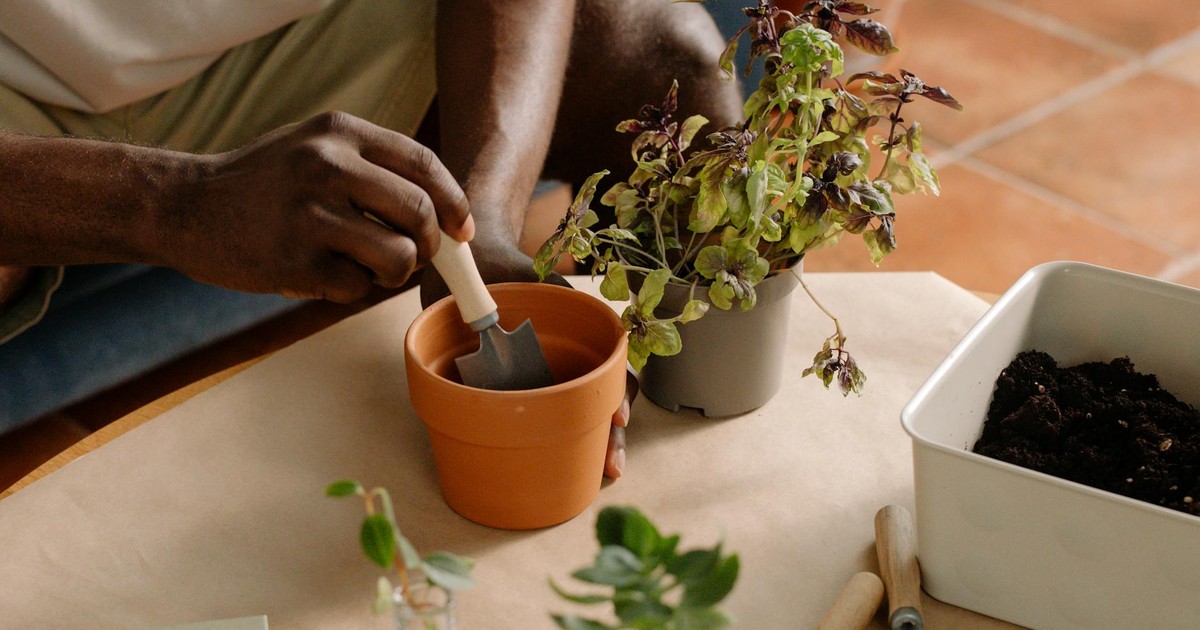
Introduction: Your Green Thumb Awaits, No Backyard Required
Imagine snipping fresh basil for your pasta or plucking a ripe cherry tomato for your salad, all sourced from a few square feet of your own living space. The dream of growing your own food isn’t reserved for those with sprawling gardens; it’s a vibrant, attainable reality for apartment dwellers and small-space inhabitants everywhere. Urban gardening is more than a trend—it’s a revolution in self-sufficiency, wellness, and flavor. You don’t need a farm; you need a few clever strategies. This guide is your blueprint to bypassing spatial limitations. We’re diving into eight brilliantly simple hacks that will transform your balcony, windowsill, or even a dark corner into a productive, edible oasis. Let’s dig in and grow up, not out.
| # | Pick | Best For | Key Strength | Watch-out |
|---|---|---|---|---|
| 1 | The Magic of Microgreens | People with limited space and patience | Harvest in 10 days with high nutrient density | Requires shallow containers and careful watering |
| 2 | Vertical Victory | Those lacking horizontal space | Utilizes walls for edible art and design | Needs secure mounting and adequate light |
| 3 | Container Creativity | Gardeners wanting unconventional planters | Uses repurposed items like colanders or buckets | Must ensure proper drainage to prevent root rot |
| 4 | Choose Your Champions | Apartment dwellers with confined spaces | Focuses on compact, high-yielding plant varieties | Requires selecting specific container-friendly types |
| 5 | Sunlight Sleuthing | Gardens in low-light or shadowy areas | Uses grow lights to supplement natural sunlight | May need investment in LED panels for dark spaces |
| 6 | The Watering Wisdom | Busy or forgetful container gardeners | Employs self-watering pots or DIY wicking systems | Overwatering is a common risk in confined pots |
| 7 | Fertilize for Free | Gardeners wanting sustainable nutrient solutions | Makes fertilizer from kitchen scraps like banana peels | Requires preparation time for compost tea or powders |
| 8 | The Community Swap | People unable to grow all desired vegetables | Multiplies harvest variety through sharing with others | Depends on finding local gardening partners or groups |
8. The Magic of Microgreens: A Harvest in 10 Days
When space and patience are in short supply, microgreens are your ultimate gateway crop. These nutrient-dense seedlings of vegetables and herbs are harvested just after their first true leaves appear, often in as little as 7-14 days. They pack a flavor punch and a nutritional profile that far exceeds their mature counterparts.
How to Hack It:
Forget specialized trays. Repurpose shallow containers like takeout clamshells, salad containers, or even a baking sheet with drainage holes poked in the bottom. Fill with a shallow layer of potting mix, sprinkle seeds densely (think broccoli, radish, sunflower, or pea shoots), mist lightly, and cover to retain humidity. Place them on any bright windowsill. The hack? Use a spray bottle for watering to avoid disturbing the tiny seeds. You’ll have a continuous, superfood harvest from a space no bigger than a dinner plate.
7. Vertical Victory: Turn Your Walls into Edible Art
When horizontal space vanishes, look up. Vertical gardening is the cornerstone of small-space cultivation. It leverages the most underutilized real estate in any home: your walls. This isn’t just functional; it can be a stunning design feature.
How to Hack It:
- Pocket Planters: Hang a fabric shoe organizer on a balcony rail or sunny wall. Each pocket is perfect for herbs like thyme, mint, or strawberries.
- Gutter Gardens: Mount old rain gutters horizontally on a wall or fence. They are long, shallow, and ideal for lettuces, spinach, and radishes.
- Tiered Shelving: Use a simple, store-bought ladder shelf in front of a sunny window. Each step holds a pot, creating a cascading garden of herbs and compact veggies.
The key is ensuring your vertical structure is securely mounted and that all plants have adequate light exposure.
6. Container Creativity: Anything Can Be a Pot
Your gardening vessels are limited only by your imagination. Traditional terra cotta pots are just the beginning. Embracing unconventional containers adds character and can often be more practical for tight spaces.
How to Hack It:
Scour your home for potential planters. A colander becomes a perfect, pre-drained herb pot. Mason jars with some gravel at the bottom can house small herbs for a kitchen windowsill. Even a 5-gallon bucket (drill holes in the bottom!) can be a prolific home for a tomato or pepper plant. The hack here is drainage. Whatever you use, ensure excess water can escape to prevent root rot. Get creative with paint or fabric to make your upcycled planters a stylish part of your decor.
5. Choose Your Champions: The Best Plants for Tiny Spaces
Success is guaranteed when you pick plants that thrive in confinement. Not all edibles are created equal for apartment life. You want varieties that are naturally compact, high-yielding, and comfortable in pots.
Top Picks for Apartments:
- Cherry Tomatoes (Bush Varieties): Look for “Patio,” “Tiny Tim,” or “Tumbling Tom.” They’re bred for containers and burst with fruit.
- Leafy Greens: Lettuce, kale, Swiss chard, and spinach have shallow roots and can be harvested leaf-by-leaf (“cut-and-come-again”).
- Dwarf Peppers & Eggplants: Many varieties are now bred specifically for pots and produce full-sized fruit on small plants.
- Herbs, Herbs, Herbs: Basil, cilantro, parsley, chives, and oregano are incredibly forgiving and thrive on windowsills.
- Scallions & Garlic Greens: Regrow them from kitchen scraps in just a glass of water before potting them.
4. Sunlight Sleuthing: Finding Light in the Shadows
Light is the non-negotiable currency of gardening. Before you plant a single seed, become a sunlight detective. Track how light moves through your space over a typical day.
How to Hack It:
Most edible plants need at least 6 hours of direct sun (“full sun”). If your space gets less, don’t despair. Focus on leafy greens and herbs like mint, parsley, and cilantro, which can tolerate “partial sun” (3-6 hours). The ultimate hack for dark spaces? Invest in a simple, affordable grow light. A basic LED panel or bulb can supplement natural light or even replace it entirely, turning a closet into a herb garden. It’s the single best way to guarantee a harvest regardless of your apartment’s orientation.
3. The Watering Wisdom: Don’t Drown Your Dreams
Overwatering is the #1 killer of container plants. In the cozy confines of a pot, roots need oxygen as much as they need water. Developing a smart watering routine is simpler than you think.
How to Hack It:
- The Finger Test: Before watering, stick your finger an inch into the soil. If it’s dry, water thoroughly. If it’s damp, wait.
- Self-Watering Pots: These are game-changers for busy or forgetful gardeners. They have a reservoir that allows the plant to drink at its own pace.
- DIY Wicking System: Place a glass jar of water next to a pot. Run a cotton rope from the jar into the soil. The soil will draw water as needed through capillary action.
Remember, it’s better to underwater slightly than to create a soggy, oxygen-starved environment for your plants.
2. Fertilize for Free: Kitchen Scrap Boosters
Container plants exhaust nutrients quickly. Instead of buying fertilizer, make your own from everyday kitchen waste. It’s sustainable, effective, and virtually free.
How to Hack It:
Compost Tea: Steep finished compost or worm castings in a bucket of water for 24-48 hours. Use the nutrient-rich liquid to water your plants.
Banana Peel Brew: Soak banana peels in a jar of water for a few days. The resulting potassium-rich “tea” is fantastic for flowering and fruiting plants like tomatoes and peppers.
Eggshell Powder: Rinse and thoroughly dry eggshells, then crush them into a fine powder. Sprinkle this into your potting soil to add a slow-release calcium boost, which prevents blossom end rot in tomatoes and peppers.
1. The Community Swap: Grow More by Sharing
Your smallest-space secret weapon isn’t a tool—it’s your community. You can’t grow every vegetable you love in your apartment, but your neighbor might be able to.
How to Hack It:
Start a seedling or harvest swap with friends in your building or local gardening group. You focus on growing an abundance of basil and cherry tomatoes, while a friend with a sunnier balcony grows cucumbers. Then, you trade. This effectively multiplies the variety of your harvest without needing an inch more of personal space. Join online local gardening forums or neighborhood apps to connect. Sharing seeds, cuttings, and excess produce builds community and turns your individual efforts into a collective bounty.
Conclusion: Your Personal Harvest Starts Now
Growing your own food in an apartment isn’t about having perfect conditions; it’s about working creatively with what you have. From the 10-day satisfaction of microgreens to the vertical jungles on your wall, each of these eight hacks dismantles the myth that you need land to cultivate. It starts with a single pot, a handful of seeds, and the willingness to experiment. The rewards extend far beyond the grocery savings. You’ll taste the unparalleled flavor of sun-warmed produce you nurtured yourself and experience the deep satisfaction of a more self-reliant, connected lifestyle. So, repurpose that container, find that sunny spot, and plant your first seed. Your compact, abundant, and delicious edible empire awaits.