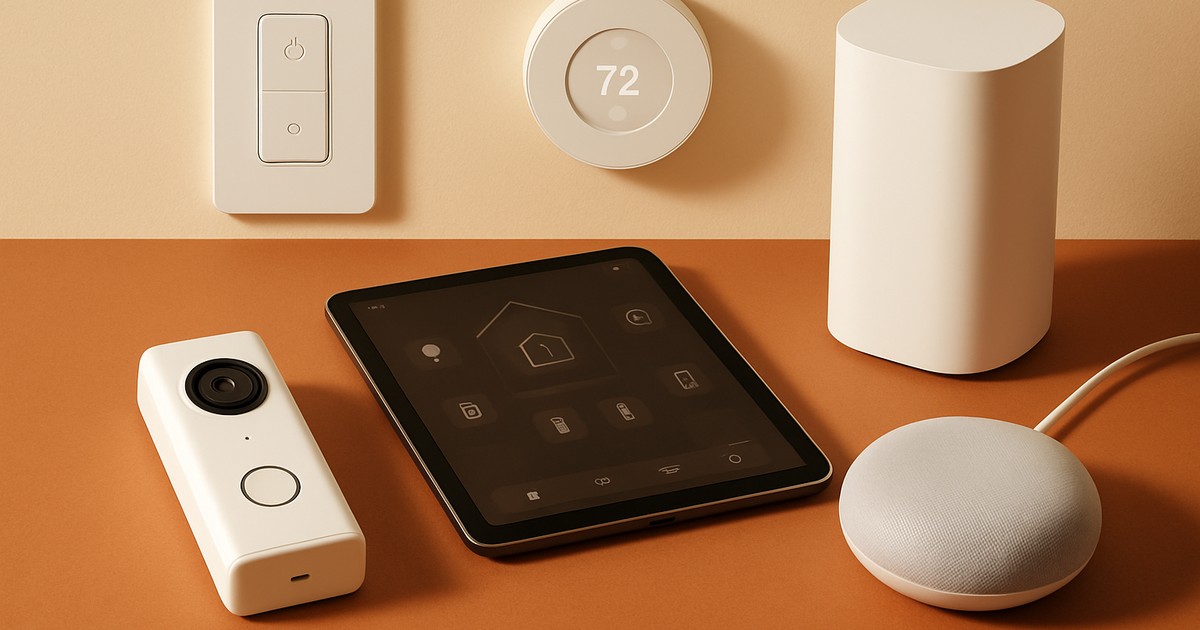
As we settle into 2026, the smart-home technology landscape is rapidly transforming, offering innovations that transcend mere convenience. This year marks a pivotal shift from flashy gadgetry towards devices that genuinely enhance daily life by delivering significant time savings. With products like the Samsung Frame Pro, the Yarbo M Series modular yard robot, and IKEA’s cleverly designed Kallsup speakers, the focus is shifting to functionality and efficiency. Our carefully curated guide reveals the top five smart-home upgrades that not only enhance your home environment but also provide a compelling return on investment through time saved. Each of these selections has been scrutinized for its ability to offset its cost in under a year, making them worth every penny of your $1,500 investment.
Context
The world of smart-home gadgets is no stranger to hype and hyperbole, often promising more than they deliver. However, 2026 stands out as the year where real value has begun to emerge, with smart-home products that prioritize utility over mere novelty. The burgeoning demand for devices that integrate seamlessly into our lives is fueled by a collective pursuit of efficiency, productivity, and sustainability. This transition is underscored by major players in the tech industry, such as Samsung and IKEA, who are now focusing on creating products that address everyday challenges rather than just offering futuristic features.
The launch of the Samsung Frame Pro represents a notable milestone, offering not just an aesthetically pleasing television but one that blends art and technology to transform living spaces. Meanwhile, the Yarbo M Series, a modular yard robot, exemplifies the shift towards automated home maintenance, reducing the manual labor traditionally associated with outdoor chores. Similarly, the Beatbot Sora 70 pool cleaner and IKEA’s innovative Kallsup speakers highlight a broader trend where smart devices are designed to work harder, smarter, and more harmoniously within our homes.
This week is particularly noteworthy as it coincides with the release of several key products that collectively redefine what consumers can expect from smart-home technology. These launches not only introduce advanced functionalities but also set new benchmarks for affordability and integration across diverse living environments. By examining these developments, we can better understand how the smart-home category is evolving to deliver tangible, practical benefits to consumers who are increasingly seeking value-driven investments in their domestic ecosystems.
What Happened
The Samsung Frame Pro, unveiled this quarter, is redefining the television’s role in the home. Retailing at $1,200, this device doubles as a stunning piece of art when not in use, seamlessly blending into the home’s decor. Its 4K QLED technology ensures top-tier visual quality, while the customizable bezels and art mode provide a personalized touch. The Frame Pro’s ability to morph into a gallery display when not in active use offers significant aesthetic and functional benefits, making it a standout choice for those who value both style and substance.
In the realm of outdoor maintenance, the Yarbo M Series modular yard robot is making waves. Priced at $1,499, this robotic marvel offers a suite of interchangeable modules designed to tackle tasks like lawn mowing, snow removal, and leaf blowing. With its AI-driven navigation and obstacle avoidance, the Yarbo M Series operates with minimal human intervention, allowing homeowners to reclaim countless hours otherwise spent on yard work. Its release has been lauded for elevating the standard of outdoor automation, aligning labor-saving technology with eco-friendly practices.
Another remarkable entry this quarter is the Beatbot Sora 70 pool cleaner. At a price point of $1,000, this device automates pool maintenance, featuring advanced sensors and adaptive cleaning patterns that ensure thorough coverage. Meanwhile, IKEA’s Kallsup speakers, retailing at an astonishingly affordable $10 each, revolutionize home audio systems. Designed to daisy-chain effortlessly, they offer a flexible and scalable solution for immersive sound experiences throughout the home. These products collectively illustrate the smart-home industry’s commitment to delivering cost-effective solutions that significantly enhance daily living.
Why It Matters
The implications of these smart-home advancements extend far beyond the boundaries of individual homes. As devices like the Samsung Frame Pro and Yarbo M Series gain traction, they set a precedent for technology that prioritizes sustainability and efficiency. By automating mundane tasks, these products not only reduce human effort but also contribute to a more sustainable lifestyle by optimizing energy use and resource management. This trend is particularly important as households become more conscious of their environmental footprint.
For the consumer, these developments translate into genuine time savings, allowing individuals to focus on activities that matter most to them. As the lines between work and home continue to blur in the post-pandemic world, the ability to delegate routine tasks to smart devices offers a reprieve that enhances quality of life. Additionally, as these products become more affordable and accessible, they democratize access to advanced technology, making smart-home innovations a viable option for a wider demographic.
From a broader perspective, the evolution of smart-home technologies fosters innovation across related sectors, including energy management, AI development, and consumer electronics. Companies are now compelled to push the boundaries of what these devices can achieve, driving a cycle of continuous improvement and integration. This not only benefits the end-user but also encourages competitive practices within the tech industry, ultimately leading to more sophisticated and user-friendly products.
How We Approached This
In compiling this guide, we meticulously evaluated numerous smart-home products, focusing on those released in the first quarter of 2026. Our methodology revolved around assessing the cost-to-benefit ratio, specifically targeting products that offer substantial labor savings. We prioritized devices that demonstrated a clear ability to enhance daily living through innovative features and practical applications.
Our editorial perspective is rooted in a commitment to providing our readers with actionable insights. We chose to emphasize products that not only integrate seamlessly into the home environment but also offer measurable returns on investment within a year. In doing so, we aim to equip consumers with the information they need to make informed purchasing decisions in the evolving smart-home landscape. We excluded products that lacked clear benefits or were excessively priced without delivering corresponding value.
Frequently Asked Questions
What makes the Samsung Frame Pro a worthwhile investment?
The Samsung Frame Pro stands out due to its dual functionality as both a high-quality 4K QLED television and a customizable art display. Its ability to blend into home decor while offering superior visual quality makes it a versatile addition to any living space, justifying its investment through enhanced aesthetics and functionality.
How does the Yarbo M Series improve outdoor maintenance?
The Yarbo M Series revolutionizes outdoor maintenance with its modular design that automates tasks like lawn mowing and snow removal. Its AI-driven technology minimizes manual intervention, enabling homeowners to save time and effort while maintaining their outdoor spaces efficiently.
Are IKEA’s Kallsup speakers suitable for audiophiles?
While the Kallsup speakers may not replace high-end audio systems for audiophiles, they offer an impressive audio experience at a budget-friendly price. Their ability to daisy-chain offers versatility and scalability, making them an excellent choice for those seeking affordable yet effective home audio solutions.
As we look forward to what the rest of 2026 holds for smart-home technology, the emphasis on utility and efficiency seems poised to continue. The products highlighted in this article exemplify a move towards practical, solution-oriented innovations that cater to diverse consumer needs. By investing in these smart-home upgrades, consumers can not only streamline their daily routines but also contribute to broader trends in sustainable living and technological advancement. Ultimately, the ability to reclaim time and enhance the quality of life remains the most compelling reason to embrace these transformative technologies.