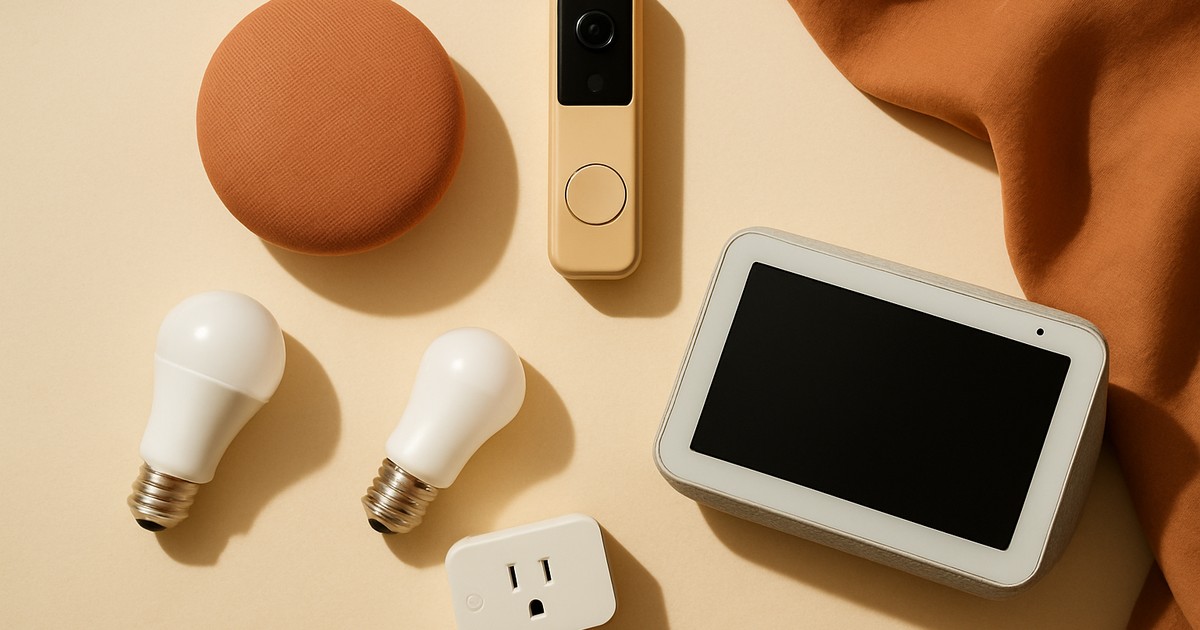
As the 2026 holiday season approaches, smart-home enthusiasts and tech-savvy consumers alike are gearing up for what promises to be the most technologically advanced year yet. With groundbreaking releases from industry giants like Samsung, TP-Link, and IKEA, the smart-home device market is booming with innovation that promises to revolutionize household efficiency and entertainment. This article explores the five must-have smart-home devices worth preordering before they inevitably fly off the shelves. Each device has been meticulously evaluated based on real-world utility, ensuring that every recommendation not only boasts cutting-edge features but also enhances daily living in meaningful ways. From the multifunctional Memo humanoid by Sunday Robotics to the aesthetically pleasing Samsung Frame Pro, these gadgets are set to redefine home automation and convenience.
Context
The smart-home market has experienced unprecedented growth over the past few years, spurred by rapid advancements in artificial intelligence and IoT (Internet of Things) technologies. As consumers become more accustomed to the comforts and efficiencies provided by these innovations, demand has surged, prompting companies to invest heavily in research and development. Key players like Sunday Robotics, Samsung, and IKEA are at the forefront of this trend, introducing devices that seamlessly integrate into the modern household.
This week marks a pivotal moment as several highly anticipated products are being released or are entering advanced beta testing stages. Notably, Sunday Robotics is launching the Memo household humanoid into beta late this year, a development that could potentially transform the way we interact with our home environments. Meanwhile, TP-Link’s Tapo C460 security camera, known for its unique magnetic attachment system, is now ready for consumer purchase. Samsung’s Frame Pro, which merges art with technology, and Yarbo M’s modular yard maintenance robot are already making waves in retail outlets.
Amidst this flurry of activity, IKEA’s Kallsup daisy-chain speakers have quietly gained popularity, thanks in part to viral exposure on platforms like TikTok. These developments underscore a broader shift towards smart-home systems that are not only functional but also aesthetically pleasing, providing both utility and style. As the holiday rush looms, consumers are advised to act quickly in securing these premier products to avoid the inevitable stock shortages and inflated prices that accompany this busy season.
What Happened
This year, five standout devices have emerged as frontrunners in the smart-home market. Sunday Robotics’ Memo household humanoid, currently in beta, captures attention with its ability to perform a variety of household tasks, from cleaning to organizing schedules. With an artificial intelligence system that learns household preferences, Memo represents a significant leap forward in domestic robotics, promising to alleviate daily chores and enhance home management efficiency.
TP-Link’s Tapo C460 magnetic security camera is another highlight, offering a sleek design coupled with robust security features. Its magnetic attachment allows for versatile placement, while high-definition video capture ensures comprehensive monitoring. The Tapo C460 has been praised for its user-friendly app interface, making it an ideal addition for those prioritizing home security.
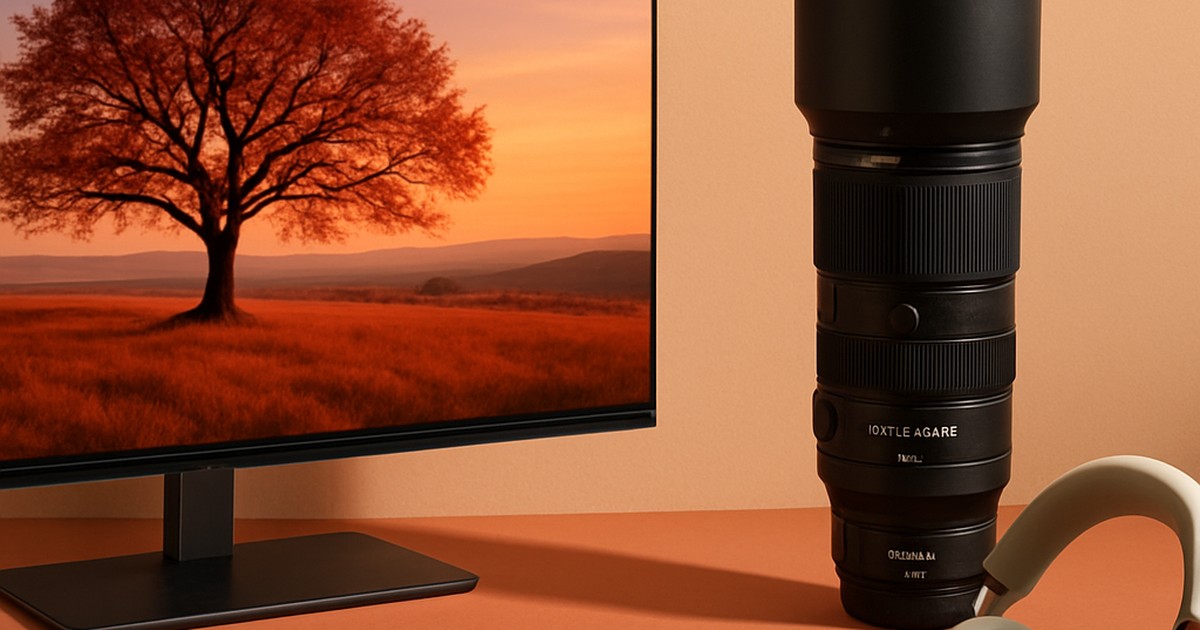
The Samsung Frame Pro has redefined what a television can be. By doubling as a high-resolution art display, this device enhances any living space with its customizable aesthetics. Meanwhile, Yarbo M’s modular yard robot simplifies outdoor maintenance. Capable of mowing, sweeping, and even snow removal, it adapts to seasonal changes with ease. Lastly, IKEA’s Kallsup speakers have captured the hearts of music lovers, offering seamless connectivity and a daisy-chain feature that amplifies sound across multiple rooms. With their current viral status, these speakers are poised to become a holiday must-have.
Why It Matters
The significance of these smart-home devices extends beyond mere consumer appeal; they represent a shift towards more sustainable and efficient living environments. As urban areas become denser and space more limited, devices like Memo and Yarbo M offer practical solutions for maximizing home functionality without compromising on quality of life. These technologies not only streamline everyday tasks but also contribute to a smaller carbon footprint by optimizing energy usage and resource management.
For consumers, the convenience offered by integrating such devices into their homes is invaluable. Imagine a household where security is effortlessly managed, outdoor maintenance requires minimal oversight, and entertainment systems are not only versatile but also visually enriching. This integration of smart technology simplifies daily routines, allowing for more leisure time and less stress.
Policy makers and urban planners are also taking note of these advancements, as they align with broader goals of smart city initiatives. The incorporation of smart-home devices can lead to improved energy efficiency and reduced environmental impact on a larger scale. By fostering environments where technology supports sustainable living, these innovations are paving the way for future urban developments that prioritize both technological advancement and ecological responsibility.
How We Approached This
In crafting this article, we focused on evaluating devices based on their real-world applications, rather than mere technical specifications. Our team conducted comprehensive analyses of each product, considering factors such as user experience, functionality, and environmental impact. We drew insights from industry reports, consumer reviews, and expert interviews to ensure a balanced perspective.
The publication’s approach is rooted in providing readers with practical advice that transcends the hype often associated with new gadget releases. By prioritizing utility and sustainability, we aim to guide our audience towards smart-home investments that offer genuine value and enhance their daily lives. We chose to highlight these five devices for their exceptional ability to deliver on these fronts, promising a future of smarter, more efficient home living.
Frequently Asked Questions
What makes the Memo household humanoid unique?
The Memo household humanoid by Sunday Robotics stands out due to its advanced AI capabilities and multifunctional design. It learns and adapts to household preferences, making it a versatile assistant for various tasks such as cleaning, scheduling, and even social interaction. Its ability to integrate seamlessly into daily routines makes it a pioneering force in home automation.
How does the Tapo C460 enhance home security?
TP-Link’s Tapo C460 enhances security through its magnetic attachment design, which allows for flexible placement. It captures high-definition video, ensuring comprehensive surveillance coverage. The device is easily controlled via a user-friendly app, allowing homeowners to monitor their property in real-time from anywhere, thereby increasing peace of mind.
Why are IKEA’s Kallsup speakers gaining popularity?
IKEA’s Kallsup speakers are gaining popularity due to their innovative daisy-chain feature, which allows for synchronized sound across multiple rooms. Viral exposure on social media platforms like TikTok has also boosted their appeal. They offer a blend of aesthetic appeal and functionality, making them an attractive choice for music enthusiasts and design-conscious consumers alike.
As consumers prepare for the 2026 holiday season, these smart-home devices promise to transform household functionality and lifestyle. Whether it’s through enhanced security, streamlined daily tasks, or enriched entertainment experiences, the integration of these technologies into everyday living is a step towards a more efficient and enjoyable home environment. As the demand for smart-home solutions continues to grow, these five devices stand out as essential investments for anyone looking to upgrade their domestic space.