The 7 Most Overrated Tech Gadgets of 2024 (And What to Buy Instead)
Every year, the tech world buzzes with promises of revolutionary gadgets that will change our lives. Marketing campaigns paint pictures of seamless productivity, unparalleled entertainment, and a future at our fingertips. But let’s be honest: not every shiny new device lives up to the hype. In 2024, a few products have captured headlines and consumer wallets while delivering surprisingly little genuine value. We’ve cut through the noise to identify the year’s most overrated tech gadgets and, more importantly, what you should consider buying instead for a smarter, more satisfying spend.
| # | Pick | Best For | Key Strength | Watch-out |
|---|---|---|---|---|
| 1 | Ultra-Premium Wireless Earbuds | Trained audiophiles in perfect silent conditions | Studio-grade audio with exotic materials | Diminishing returns above $250, Bluetooth compression |
| 2 | AI-Powered Smart Home Fridge | Those wanting automated grocery tracking | Built-in AI cameras and voice assistants | Clunky interfaces, unreliable identification, subscription fees |
| 3 | Foldable Smartphone | Early adopters seeking tablet-like portability | Engineering marvel with large flexible screen | High cost, fragile screens, immature software |
| 4 | Over-the-Top Gaming Chair | Gamers wanting racing-style aesthetics | Aggressive design with premium synthetic leather | Poor ventilation, inadequate lumbar support, uncomfortable |
| 5 | 8K Television | Viewers with very large screens up close | Extremely high resolution for massive displays | No native 8K content, imperceptible difference at distance |
| 6 | Standalone AI Wearable | Early adopters of voice-first AI devices | Screenless, clip-on futuristic design | Slow responses, inaccurate answers, redundant to smartphones |
| 7 | Pro Consumer Laptop | Users needing extreme processing power | Top-tier CPUs, high RAM, powerful mobile GPUs | Unnecessary for typical tasks, drains battery, expensive |
7. The Ultra-Premium Wireless Earbuds
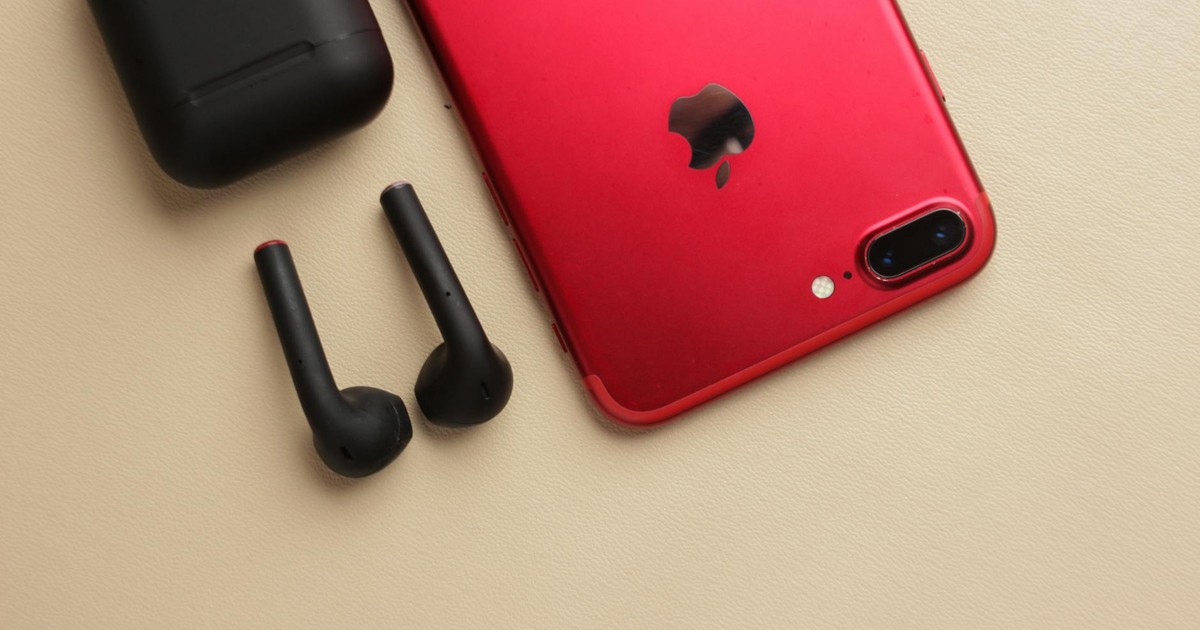
We’re not talking about your standard excellent pair of noise-cancelling earbuds. The overrated category here is the new wave of “luxury” or “prosumer” wireless earbuds that push the $400+ price point. Brands are touting “studio-grade” audio and exotic materials, but the truth is, the law of diminishing returns hits hard in this form factor. The Bluetooth compression, battery life, and physical size limitations mean the difference between a $250 pair and a $450 pair is often negligible to all but the most trained audiophile ears—and even then, only in perfect, silent listening conditions.
What to Buy Instead: Invest in a pair of highly-rated mid-range noise-cancelling earbuds from brands like Sony, Bose, or Sennheiser. You’ll get 95% of the performance for half the price. For true audiophile sound, skip wireless altogether for your critical listening and get a pair of wired audiophile headphones paired with a portable DAC/amp. The sound quality will blow any wireless earbud out of the water.
6. The “AI-Powered” Smart Home Fridge
The smart fridge has been a poster child for over-engineering for years, and 2024’s models with built-in AI cameras and voice assistants are the peak of the problem. These behemoths promise to track your groceries, suggest recipes, and even order milk. In reality, the cameras often struggle with identification, the interfaces are clunky, and the subscription services for some features add insult to injury. You’re paying a massive premium for gimmicks that a simple notepad on the fridge door or a shared grocery app on your phone handles better.
What to Buy Instead: Buy an excellent, energy-efficient standard fridge from a reputable brand. Then, if you want smart home integration, use a fraction of the savings to install a simple smart plug on a coffee maker or kettle, or invest in a versatile smart display like the Google Nest Hub for your kitchen counter. It can do all the recipe browsing, video calling, and list-making without the risk of a $4,000 appliance becoming obsolete.
5. The Foldable Smartphone (For Most People)
Foldable phones are engineering marvels, no doubt. But in 2024, they remain a solution in search of a widespread problem. They are incredibly expensive, the screens are still more susceptible to damage, and the software often feels like it’s playing catch-up with the hardware. For the average user who browses social media, texts, and takes photos, the “tablet in your pocket” benefit doesn’t justify the cost, bulk, and durability concerns. They are niche devices for early adopters, not mainstream must-haves.
What to Buy Instead: Put your money into a top-tier traditional flagship phone like the latest iPhone Pro or Samsung Galaxy S-series. You’ll get a superior camera system, better battery life, robust build quality, and a mature software experience. If you crave a larger screen, pair your phone with a lightweight tablet for media consumption at home. This combo is often still cheaper and more practical than a single foldable device.
4. The Over-the-Top Gaming Chair
The race for the most aggressive, racing-style gaming throne has hit its absurd limit. Many of these chairs, often covered in garish logos and “premium” synthetic leather, prioritize aesthetics inspired by race cars over actual ergonomics for long-term sitting. They can be poorly ventilated, lack proper lumbar support adjustment, and their bucket-seat design can be uncomfortable for wider body types. You’re frequently paying for branding and flashy looks rather than genuine comfort and back health.
What to Buy Instead: Invest in a high-quality ergonomic office chair from brands like Herman Miller, Steelcase, or even reputable office-focused brands like Hbada or Sihoo. These chairs are designed for 8+ hours of comfortable, healthy sitting with scientifically-backed lumbar support, breathable materials, and adjustable components. Your back (and your professional Zoom calls) will thank you.
3. The 8K Television
Unless you are sitting with your nose pressed against a screen 85 inches or larger, you cannot perceive the difference between 4K and 8K resolution at a normal viewing distance. In 2024, native 8K content is virtually non-existent, and upscaling 4K or HD content can be hit-or-miss. The premium for an 8K TV is enormous, and that money is being spent on pixels you can’t see instead of features you can, like better contrast, brightness, or color volume.
What to Buy Instead: Use your budget to buy the best 4K OLED or Mini-LED TV you can afford. Focus on picture quality metrics like peak HDR brightness, black levels, and refresh rate. Brands like LG, Sony, and Samsung make incredible 4K sets where the money goes toward a visibly stunning image, not a meaningless resolution spec. This is the single smartest upgrade you can make for your home theater.
2. The Standalone AI Wearable (Like a Dedicated AI Pin)
The idea of a screenless, voice-first AI device that clips to your clothes sounds futuristic. The 2024 reality is a frustrating, undercooked, and often redundant experience. These devices suffer from slow response times, inaccurate answers, poor battery life, and a fundamental problem: your smartphone already does everything they do, but better. They add an extra layer of complication to your tech ecosystem without solving a clear pain point, often feeling more like a conceptual prototype than a finished product.
What to Buy Instead: Master the AI features already built into your current smartphone (Google Assistant, Siri, or Galaxy AI) or invest in a premium smartwatch like an Apple Watch or Wear OS device. A good smartwatch offers health tracking, notifications, and voice assistant access in a far more integrated and useful package. Wait for the standalone AI hardware category to mature significantly before even considering it.
1. The “Pro” Consumer Laptop with Unnecessary Specs
This is the king of overrated tech in 2024. Manufacturers are pushing ultra-expensive laptops with specs—like the latest Intel Core i9 or Ryzen 9 CPUs, 64GB of RAM, and top-tier mobile GPUs—onto consumers whose most demanding task is having 20 Chrome tabs open. This is spec sheet overkill that drains your battery, adds heat and fan noise, and empties your wallet for performance you will never utilize. For browsing, streaming, and office work, these machines are a colossal waste of money.
What to Buy Instead: Be brutally honest about your needs. For most people, a modern laptop with a mid-range CPU (Core i5/Ryzen 5), 16GB of RAM, and a solid-state drive is more than sufficient. Look for models with great build quality, a fantastic screen, and long battery life. Brands like Apple (MacBook Air), Dell (XPS series), and Lenovo (Yoga/Slim series) excel here. The money you save can go toward a larger monitor, better peripherals, or just stay in your bank account.
Spend Smart, Not Just Big
The common thread with these overrated gadgets is a disconnect between marketing promises and daily utility. In 2024, smart tech spending isn’t about chasing the highest number or the most futuristic concept. It’s about honest self-assessment of your needs and investing in mature technology that delivers reliable, tangible benefits. Often, the best buy is last year’s high-end model, a mid-range workhorse, or a device that focuses on excelling at a few core functions rather than doing everything poorly. By avoiding the hype traps, you can build a tech ecosystem that genuinely enhances your life without draining your resources or patience. Remember, the best gadget is the one you use effortlessly, not the one that makes you a beta tester for an unproven dream.