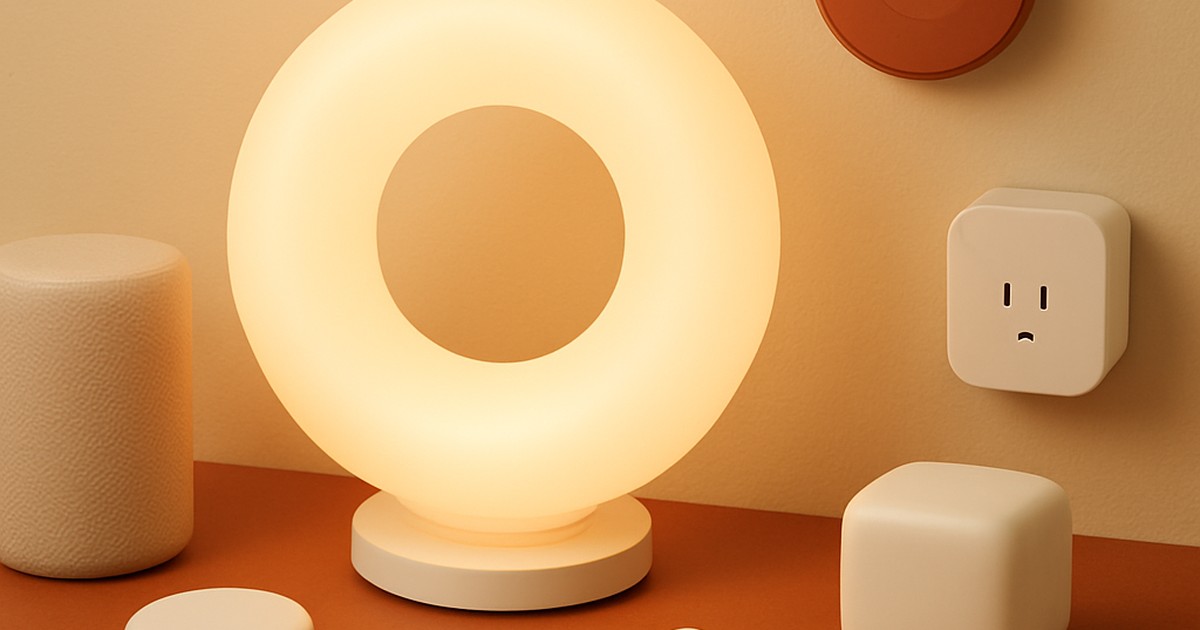
IKEA has redefined the balance between design and technology with the introduction of the smart Varmblixt Donut Lamp, launching in April 2026. This innovative product is part of a broader trend this month, where major brands are channeling their efforts into creating smart home technologies that seamlessly integrate into stylish living spaces. Designed in collaboration with Dutch designer Sabine Marcelis, the Varmblixt lamp combines sculptural aesthetics with cutting-edge connectivity, offering features like scene automation, voice control, and color temperature adjustment without compromising its artistic appearance. As we explore this trend, we’ll discover how other tech titans like Samsung, Nanoleaf, Philips, and Sonos are also pushing the envelope, opting for invisible technology that enhances home life without overtly signaling ‘tech.’ The shift represents a new chapter in smart home design, where elegance and functionality coalesce beautifully.
Context
The smart home industry is undergoing a significant transformation. As consumers become more design-conscious, companies are increasingly focusing on creating products that prioritize aesthetics over bold technological displays. This shift is partly due to the rise of modern interior design trends that favor minimalism and seamless integration of technology into daily life. Historically, smart home products were often characterized by their futuristic and sometimes obtrusive designs. However, today’s consumer demands smart tech that complements their living space, rather than overwhelming it.
April 2026 marks a pivotal moment in this evolution, as several high-profile releases showcase this new direction. Leading the pack is IKEA’s smart Varmblixt Donut Lamp, a product that epitomizes this fusion of design and technology. Not only does it offer robust smart home capabilities, but it also serves as a piece of art, blurring the lines between functionality and aesthetics. This approach reflects a growing trend towards ‘invisible’ technology—gadgets that perform impeccably without drawing unnecessary attention to themselves.
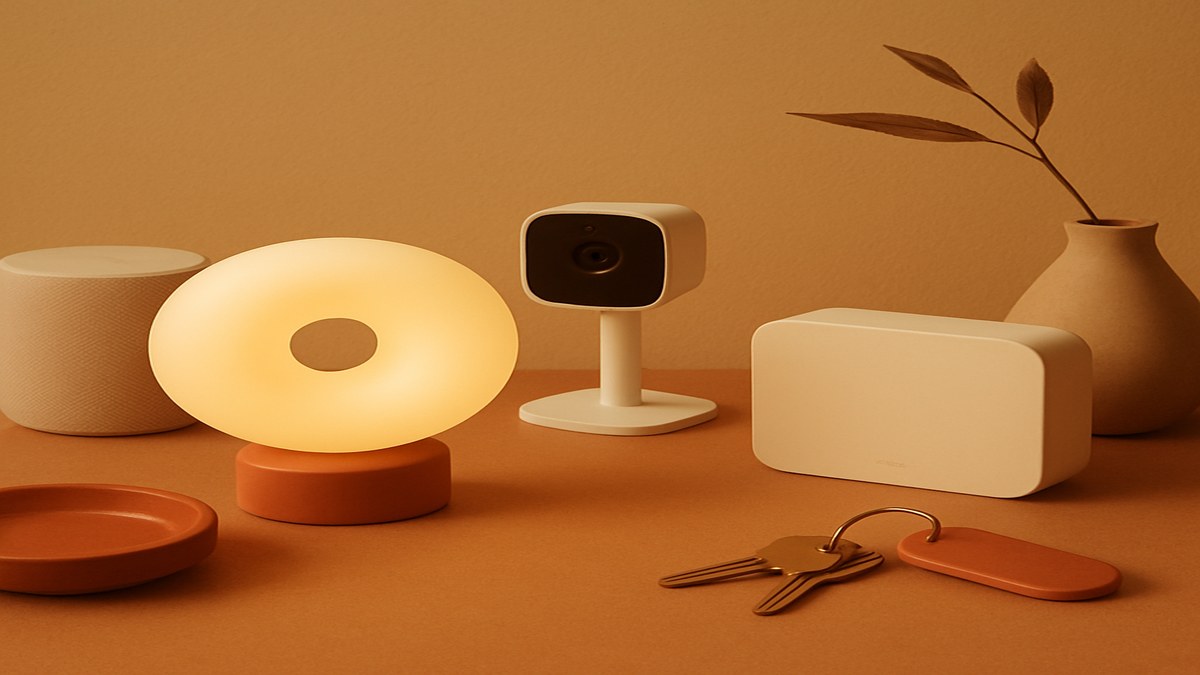
This movement is not isolated to IKEA. Other major players in the industry, such as Samsung, Nanoleaf, and Philips, are also unveiling products that adhere to this philosophy. From TVs that double as art pieces to lighting systems that mimic natural sunlight, these companies are setting new standards for what it means to live in a smart, yet stylish, home. This convergence of technology and design has profound implications for the future of smart home devices, steering the industry towards a more integrated, harmonious approach.
What Happened
In April 2026, IKEA unveiled its smart Varmblixt Donut Lamp, a standout addition to the smart home market. This lamp, crafted in collaboration with renowned Dutch designer Sabine Marcelis, is not just a functional light source but a work of art that brings a touch of elegance to any room. It supports Matter/Thread connectivity, allowing for seamless integration with existing smart home ecosystems, and offers features such as scene automation and voice control. Available for purchase starting this month, the Varmblixt lamp is poised to become a staple in design-conscious homes worldwide.
Simultaneously, Samsung introduced the 2026 Frame Pro, a 4K QLED TV that masquerades as a piece of gallery art. Enhanced with an improved anti-reflection coating, the Frame Pro continues Samsung’s tradition of blending art with technology, ensuring that TV screens become an unobtrusive part of home decor. This innovation aligns with Samsung’s long-standing commitment to providing consumers with high-performance devices that complement their living environments.
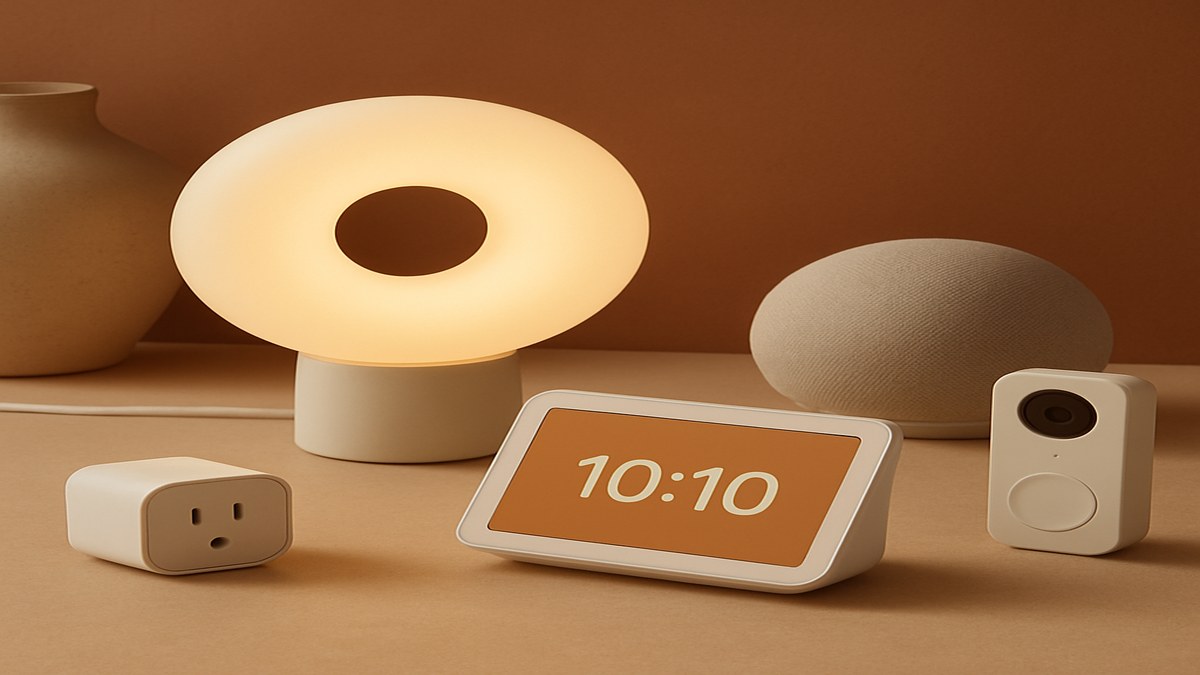
Other notable launches include Nanoleaf’s Skylight panels, which are designed to replace traditional recessed ceiling lights. These programmable LED panels simulate natural daylight patterns, catering to the human circadian rhythm and enhancing overall well-being. Moreover, Philips has taken a step further with its Hue Twilight bedside lamp, which adjusts its color temperature throughout the day based on circadian algorithms. Sonos, not to be outdone, has released an architectural speaker that embeds flush into walls and ceilings, providing exceptional audio quality while remaining virtually invisible. Together, these products highlight a growing industry trend towards smart home solutions that prioritize seamless integration into stylish interiors.
Why It Matters
The emergence of design-forward smart home products signifies a significant shift in consumer priorities. As technology becomes an integral part of our daily lives, there is an increasing demand for devices that do not disrupt the aesthetics of our living spaces. This trend reflects broader changes in consumer behavior, where functionality and design must coexist harmoniously. The smart Varmblixt Donut Lamp and similar products demonstrate that technology can be stylish, serving as both functional devices and decorative pieces.
This shift has important implications for the smart home industry. Companies that fail to prioritize design risk losing market share to competitors who are more attuned to these evolving consumer demands. By focusing on products that blend seamlessly into home environments, brands can appeal to a broader audience, including those who might have previously shied away from smart technology due to its traditionally intrusive nature. This approach not only broadens the market but also encourages innovation in product design and functionality.
Moreover, the integration of aesthetics into smart home products has the potential to revolutionize various aspects of daily living. By creating devices that support natural human rhythms and complement living spaces, companies can enhance user experience and overall satisfaction. This evolution in product design is a testament to the industry’s ability to adapt and innovate in response to changing consumer needs, setting the stage for a new era of smart home technology.
How We Approached This
In crafting this article, we drew from a variety of sources to provide a comprehensive overview of the emerging trend in design-forward smart home gadgets. Our editorial approach focused on highlighting the balance between aesthetics and functionality, a core theme in the current smart home landscape. We examined press releases and product announcements from leading companies, as well as industry analysis articles, to ensure that our coverage was both accurate and insightful.
We chose to emphasize products that epitomize this trend, such as IKEA’s smart Varmblixt Donut Lamp, due to their potential to influence future design standards. By focusing on these key innovations, we aimed to offer our readers a glimpse into the future of smart home technology, where design takes center stage alongside tech capabilities. This perspective allows our audience to appreciate the broader implications of these developments and understand how they might impact their own lives.
Frequently Asked Questions
What makes the Varmblixt Lamp smart?
The smart Varmblixt Donut Lamp integrates advanced technology while maintaining its artistic design. It supports Matter/Thread connectivity, enabling seamless integration into existing smart ecosystems. Features include scene automation, voice control, and adjustable color temperature, allowing users to tailor the lighting to their preferences without sacrificing style.
How does Samsung’s Frame Pro differ from traditional TVs?
Samsung’s Frame Pro is designed to blend into home decor by doubling as a piece of gallery art. Utilizing a 4K QLED display with an enhanced anti-reflection coating, it offers high-quality visuals while minimizing screen glare. The Frame Pro’s art mode and customizable frames further enhance its ability to complement any room’s aesthetic.
What are the wellness benefits of Nanoleaf’s Skylight panels?
Nanoleaf’s Skylight panels are designed to simulate natural daylight patterns, promoting a more natural lighting environment. This supports the human circadian rhythm, which can improve sleep quality, mood, and overall well-being. By mimicking natural light, these panels help create a healthier living space while maintaining energy efficiency.
As the smart home landscape continues to evolve, the emphasis on design and seamless integration is set to redefine industry standards. Companies like IKEA, Samsung, and others are paving the way for a future where technology enhances our living spaces in subtle, meaningful ways. This month’s launches illustrate a clear trend towards smart products that harmonize with our environments rather than dominate them. For consumers, this means smarter homes that are both technologically advanced and aesthetically pleasing, marking a new chapter in the evolution of smart home technology.