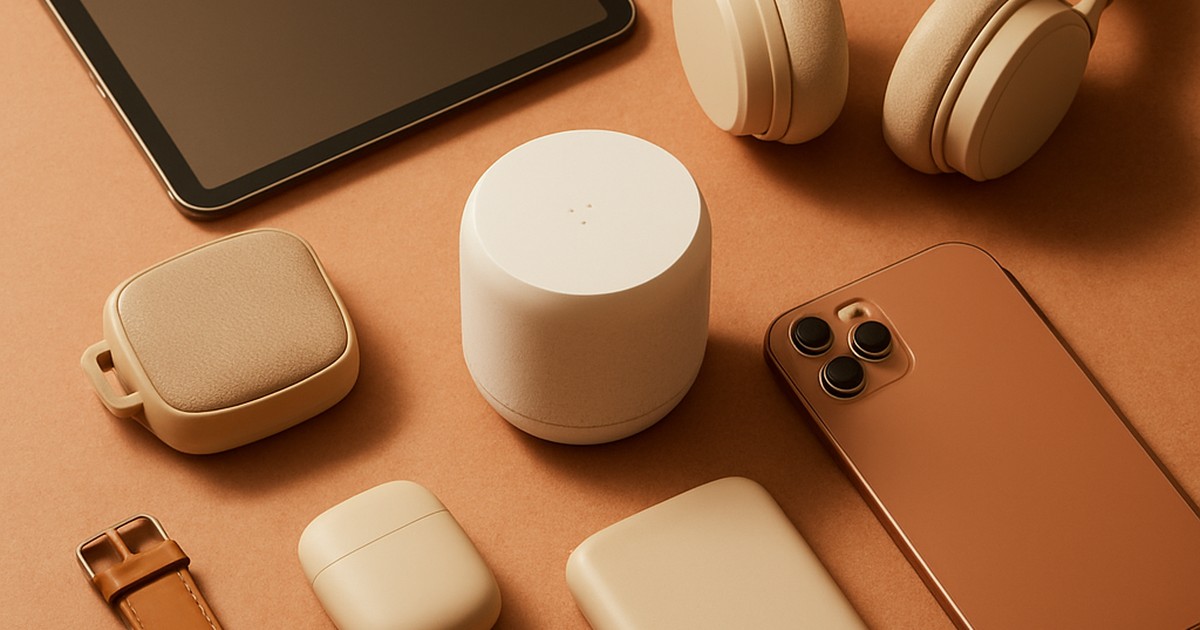
In the ever-evolving landscape of consumer technology, the conversation is often dominated by flagship devices—a Vision Pro 2 here, a Samsung Galaxy Z Flip 7 there. Yet, an intriguing narrative has emerged from The Gadgeteer’s latest list of the ’10 gadgets everyone is quietly buying’ in 2026: the real adoption story lies not in these headline-grabbing products but in a cohort of mid-priced, specific-utility devices that are selling out without the fanfare of big press cycles. These gadgets, characterized by their targeted functionalities and consumer-centric design, are quietly revolutionizing the tech market. Leading this list is the Varmblixt Donut Smart Lamp from IKEA, which has managed to move an impressive 600,000 units globally within its first month post-launch, positioning itself as a staple in the smart home market. Joining it are other innovative products like the O-Boy satellite smartwatch and the Nirva AI wearable, each addressing niche consumer needs in unique ways. This article delves into these devices, exploring why they resonate with consumers and how they’re shaping the future of tech adoption.
Context
The tech landscape of 2026 is one of rapid evolution and constant innovation. While flagship devices from tech giants continue to capture the public’s imagination and headlines, a subtler but significant shift is happening beneath the surface—one that The Gadgeteer’s April 2026 list sheds light on. It highlights that consumers are increasingly gravitating towards mid-priced gadgets that solve specific problems rather than those boasting all-encompassing features. With economic pressures and a heightened focus on sustainability, consumers are seeking value in products that enhance their daily lives without overwhelming them with unnecessary bells and whistles.
Historically, the tech industry’s focus has been on bigger and better, with flagship devices serving as the ultimate status symbols. However, the saturation of high-end products has led to a growing segment of consumers who prioritize practicality and functionality over prestige. This shift is reflected in the success of devices like the ASUS Zenbook A14, which, as the first 1.0 kg OLED laptop, offers a sleek design at a mainstream price, making it an attractive option for those who demand performance without the premium price tag.
This week marks a pivotal moment in understanding this trend, as consumers continue to opt for gadgets that fit seamlessly into their lives. Each product on The Gadgeteer’s list fills a unique niche, appealing to specific user needs, whether it’s the rugged outdoors enthusiast opting for the O-Boy smartwatch or urban dwellers adopting the Yarbo Mini for its multi-seasonal yard care capabilities. These choices underscore a broader consumer desire for technology that serves distinct and useful purposes, quietly driving adoption in a way that flagship devices can’t compete with.
What Happened
The Gadgeteer’s latest list, published in April 2026, challenges the conventional narrative that flagship devices are the dominant force in consumer tech adoption. The spotlight is on products like the Varmblixt Donut Smart Lamp by IKEA, which launched with Matter-over-Thread technology, allowing seamless integration into various smart home ecosystems. In just 30 days, this device sold 600,000 units worldwide, a testament to its broad appeal and functional design that resonates with a global audience seeking smart home solutions.
Another standout on the list is the O-Boy satellite smartwatch, which caters specifically to backcountry emergencies. Unlike traditional smartwatches aimed at fitness enthusiasts, the O-Boy has found its niche market among hunters and solo hikers who require reliable satellite communication in areas with limited cellular coverage. Its ability to provide crucial connectivity in remote locations has made it an indispensable tool for outdoor adventurers, highlighting the growing market for specialized devices that prioritize safety and functionality over general appeal.
Similarly, the Nirva AI wearable addresses a unique consumer need by acting as a personal emotional assistant. Designed as a piece of jewelry, it automatically journals user interactions and flags emotionally draining contacts based on voice tone analysis. This innovative approach to mental well-being appeals to users seeking tech-driven personal insights, setting Nirva apart from traditional wellness gadgets. These products, among others on the list, demonstrate a consumer-driven shift towards gadgets that offer specific solutions, proving that real adoption in 2026 is being driven by practical, purpose-built technology rather than the allure of flagship status.
Why It Matters
The emergence of mid-priced, utility-focused gadgets as the driving force in tech adoption has significant implications for the industry at large. For manufacturers, this trend suggests a need to pivot away from the traditional focus on flagship devices and instead invest in developing products that address niche markets with high-friction pain points. This shift could lead to increased innovation in lesser-explored areas of consumer technology, opening up new revenue streams for companies willing to embrace this change.
For consumers, the rise of these gadgets offers a welcome departure from the relentless upgrade cycles associated with flagship devices. By focusing on specific functionalities, these products provide tangible benefits that enhance everyday life without the pressure to keep up with the latest tech trends. This can lead to more informed purchasing decisions and a greater sense of satisfaction with their tech investments, as consumers choose products that truly meet their needs.
Moreover, this trend towards specific-utility gadgets could influence broader technological developments. As consumers prioritize practicality and functionality, there may be a growing demand for interoperable systems and standards, like Matter-over-Thread, that facilitate seamless integration across different devices and platforms. This could enhance the overall user experience and drive further innovation in connectivity solutions, ultimately benefiting the consumer tech ecosystem as a whole.
How We Approached This
Our analysis of The Gadgeteer’s list was guided by a desire to understand the evolving consumer preferences in 2026. We examined the sales data, consumer reviews, and market trends to identify the underlying reasons for the success of these mid-priced gadgets. Emphasizing devices that address specific consumer pain points, we aimed to highlight the shift from flagship dominance to purpose-driven technology.
In crafting this article, we prioritized gadgets that demonstrate clear consumer value, avoiding those that merely replicate existing technologies without offering new solutions. By focusing on products that fill unique niches, we sought to provide our readers with insights into how these emerging trends could shape future tech adoption. Our editorial approach was anchored in providing a balanced view of the market’s evolution, ensuring that our analysis remains relevant and informative for those interested in the intersection of consumer technology and practical utility.
Frequently Asked Questions
What makes the Varmblixt Donut Smart Lamp so popular?
The Varmblixt Donut Smart Lamp’s popularity stems from its integration of Matter-over-Thread technology, allowing it to seamlessly connect with various smart home systems. Its appealing design and affordable price point make it accessible to a wide range of consumers, fulfilling a common desire for functional and stylish home automation solutions.
Who is the target audience for the O-Boy satellite smartwatch?
The O-Boy satellite smartwatch is primarily targeted at outdoor enthusiasts, particularly hunters and solo hikers who require reliable communication in remote areas. Its ability to maintain satellite connectivity where cellular networks falter has made it a valuable tool for those who prioritize safety and functionality over general smartwatch features.
How does the Nirva AI wearable enhance user well-being?
The Nirva AI wearable enhances user well-being by analyzing voice tones during interactions to identify emotionally draining contacts and automatically journaling these experiences. This unique feature offers users insights into their emotional health, helping them make informed decisions about their social interactions and personal relationships.
As we look to the future, the increasing popularity of mid-priced, utility-focused gadgets is likely to continue shaping the consumer tech landscape. By offering targeted solutions to specific pain points, these devices not only meet current consumer demands but also pave the way for more personalized and integrated technology experiences. The success of gadgets like the Varmblixt Donut Smart Lamp and O-Boy smartwatch demonstrates a significant shift in consumer priorities, highlighting the value of practical, purpose-driven innovation in an ever-evolving market. As manufacturers and consumers alike adapt to this new reality, the tech industry stands on the brink of a more inclusive and functional era.