
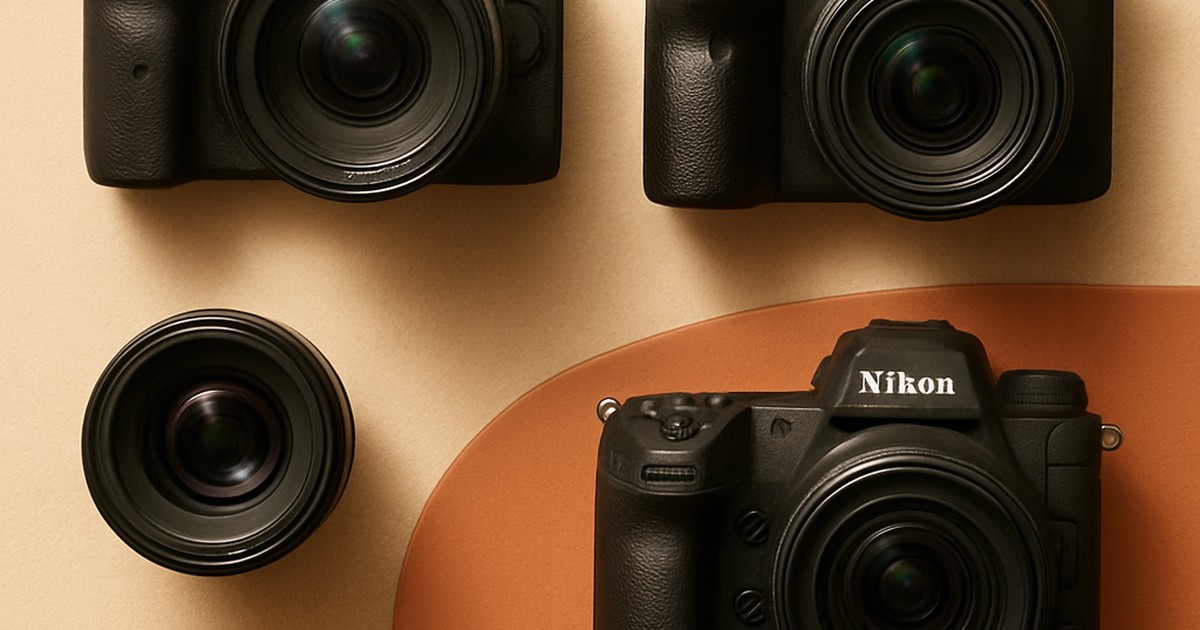
The landscape of mirrorless cameras in 2026 has been marked by significant advancements and consolidations, with Canon, Sony, and Nikon leading the charge in their respective categories. This year, the Canon EOS R5 Mark II has emerged as the undisputed favorite among professionals and enthusiasts alike, offering an unparalleled blend of resolution and speed that has the industry buzzing. Meanwhile, the Sony A9 III has carved out a niche as the ultimate sports camera, thanks to its revolutionary global shutter technology. Nikon continues to hold sway in the pro flagship arena with its Z9, appealing to the most demanding studios and broadcasters. This article delves into why these models have captured the spotlight, analyzing their technological innovations and the implications for photographers at every level.
Context
The evolution of mirrorless cameras has been rapid over the past decade, as manufacturers have pushed the boundaries of what these compact systems can achieve. Canon, Sony, and Nikon have been at the forefront of this revolution, each carving out a distinct space within the market. The resurgence of interest in high-performance cameras comes at a time when smartphone photography has reached maturity, prompting discerning photographers to seek tools that offer superior image quality, speed, and versatility.
Canon’s journey in the mirrorless domain has been particularly noteworthy. From the groundbreaking EOS R system introduced in 2018 to the current R5 Mark II, Canon has consistently raised the bar by integrating cutting-edge features such as advanced autofocus and high-resolution video capabilities. This year’s update reaffirms Canon’s commitment to meeting the diverse needs of photographers, from wedding shooters to commercial artists.
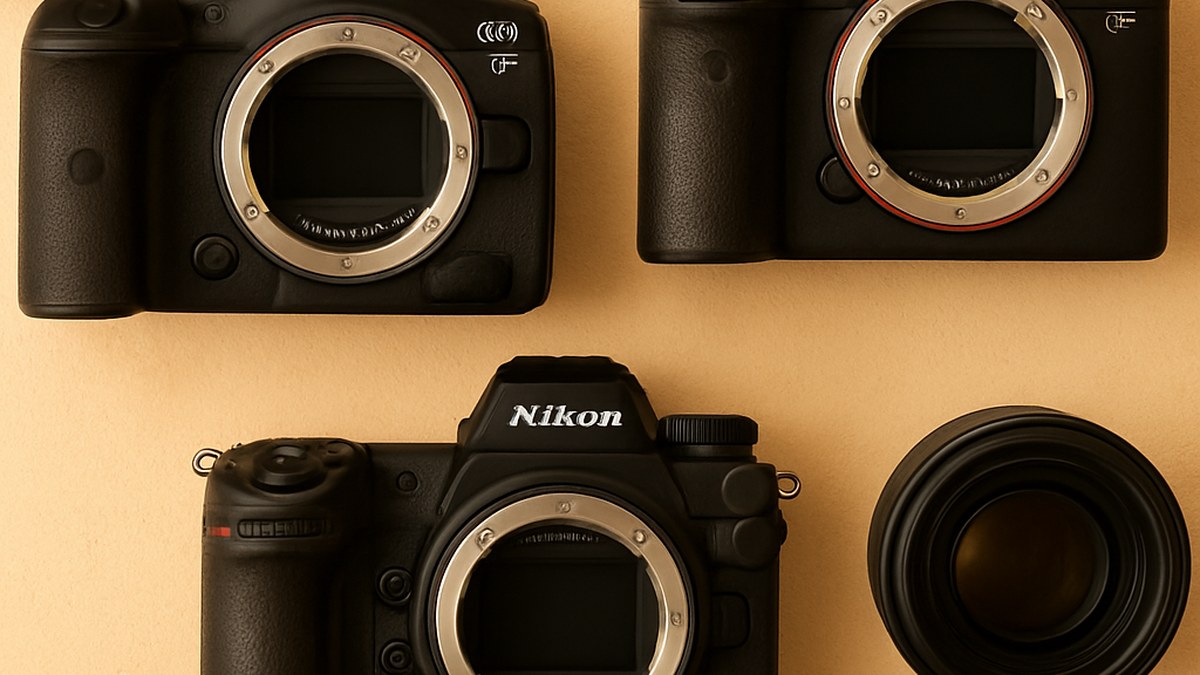
Meanwhile, Sony’s innovation with the A9 III has underscored its position as the go-to brand for sports and action photography. The incorporation of a global shutter in the A9 III eliminates rolling shutter effects, a vital feature for capturing fast-moving subjects without distortion. Nikon’s Z9 continues to serve the upper echelons of the photography world, balancing robustness and versatility while maintaining a reputation for exceptional image quality. This context sets the stage for understanding why the 2026 cycle has spotlighted these models as leaders in their respective categories.
What Happened
The April 2026 review cycle has seen a consensus form among leading photography publications such as DPReview, Photography Life, Amateur Photographer, and TechRadar, each lauding the Canon EOS R5 Mark II. This model boasts a remarkable 45-megapixel sensor capable of shooting at 30 frames per second with full autofocus capabilities, making it a favorite among professionals who demand both speed and detail. Its video prowess, with 8K RAW recording and 4K at 120 frames per second, rivals that of dedicated cinema cameras, further solidifying its position as the go-to choice for high-end photography and videography.
On the sports photography front, the Sony A9 III has made waves with its introduction of a full-frame global shutter system. This advancement allows photographers to capture images with no rolling shutter distortion, a crucial feature for fast-paced environments such as sports and wildlife photography. Its ability to sync flash at any shutter speed, up to an unprecedented 1/80,000 of a second, has set a new standard in the industry, making it an indispensable tool for professionals in this niche.
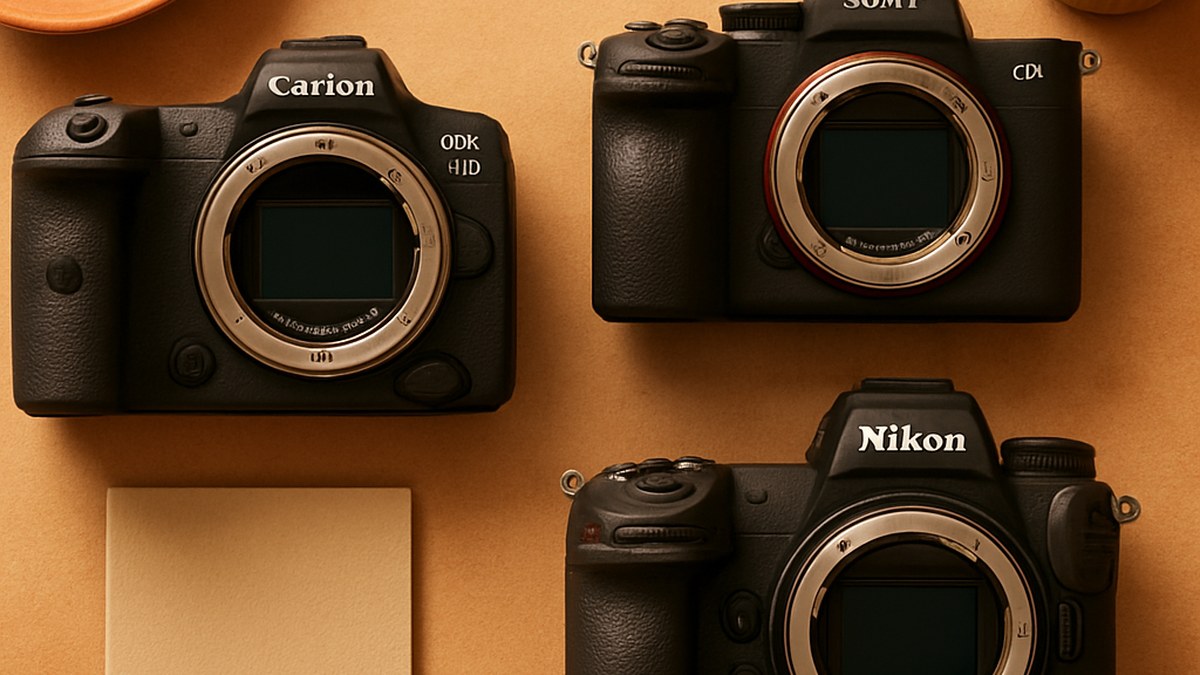
The Nikon Z9 remains at the pinnacle of the pro flagship category. Despite being introduced a few years back, its continuous firmware updates and robust feature set keep it relevant and highly competitive. The Z9’s superior build quality and versatile capabilities cater to studios and broadcasters, ensuring it remains the camera of choice for those needing the utmost in reliability and performance. The endorsement from key industry reviewers has cemented these models’ statuses as leaders in the current photographic landscape.
Why It Matters
The dominance of these camera models in 2026 reflects broader trends and needs within the photography industry. For professionals, the Canon EOS R5 Mark II is more than just a camera; it represents a tool that enhances creativity and efficiency. Its capabilities allow photographers to push boundaries and capture images that were previously challenging, ensuring they remain competitive in an ever-evolving market.
Sony’s A9 III, with its cutting-edge technology, addresses the specific needs of sports photographers who require precision and speed. The absence of rolling shutter effects means that images can be captured with clarity and detail, even at high speeds. This not only improves the quality of work delivered to clients but also expands the creative possibilities for photographers who often work under challenging conditions.
Nikon’s continued focus on the professional segment with the Z9 highlights the importance of meeting the needs of studios and high-end production environments. The comprehensive feature set ensures that photographers and videographers have the tools necessary to capture broadcast-quality imagery and video, maintaining Nikon’s reputation for excellence in the professional sector. The advancements reflected in this year’s models demonstrate the manufacturers’ dedication to innovation, catering to evolving needs, and setting new standards in the industry.
How We Approached This
In crafting this analysis, we meticulously reviewed the evaluations from top industry publications such as DPReview, Photography Life, Amateur Photographer, and TechRadar. Our focus was on synthesizing these expert reviews to highlight the standout features and innovations of 2026’s leading mirrorless cameras. By examining the technical specifications and user feedback, we aimed to provide a comprehensive overview that reflects the current state of the market.
Our editorial approach emphasizes clarity and relevance, ensuring that our readers can easily understand the merits and distinctions of each camera. We chose to focus on the models that have garnered consensus praise, excluding lesser-discussed options to maintain a concise and impactful narrative. This decision was driven by the need to deliver actionable insights to our audience, who rely on Top 10 Brief for authoritative and straightforward guidance in the ever-changing world of photography technology.
Frequently Asked Questions
What makes the Canon EOS R5 Mark II the best overall camera in 2026?
The Canon EOS R5 Mark II excels with its 45-megapixel sensor, high-speed performance at 30 fps with full autofocus, and advanced video capabilities that include 8K RAW and 4K 120p recording. These features make it a versatile choice for various photography genres, from weddings to commercial work, providing exceptional image quality and creative flexibility.
Why is the Sony A9 III considered the best for sports photography?
The Sony A9 III stands out due to its global shutter technology, which eliminates rolling shutter distortion and allows for flash sync at any shutter speed up to 1/80,000 s. This makes it perfect for capturing fast-paced action without quality loss, a critical requirement for sports and wildlife photographers who need precision and speed.
What keeps the Nikon Z9 as the top choice for professional studios?
The Nikon Z9 remains a favorite because of its robust build, comprehensive feature set, and continuous firmware updates that keep it competitive. It delivers exceptional image quality and video performance, making it ideal for studios and broadcasters that require reliable, high-quality equipment for demanding projects.
As the mirrorless camera market continues to evolve, these leading models set the benchmark for innovation and performance. The Canon R5 Mark II, Sony A9 III, and Nikon Z9 each serve distinct yet overlapping needs, reflecting the diverse demands of today’s photographers. As technology advances, these cameras will likely inspire further developments, pushing the boundaries of what is possible in digital imaging. The 2026 cycle underscores a dynamic year for photography, with these cameras leading the charge into an exciting future.