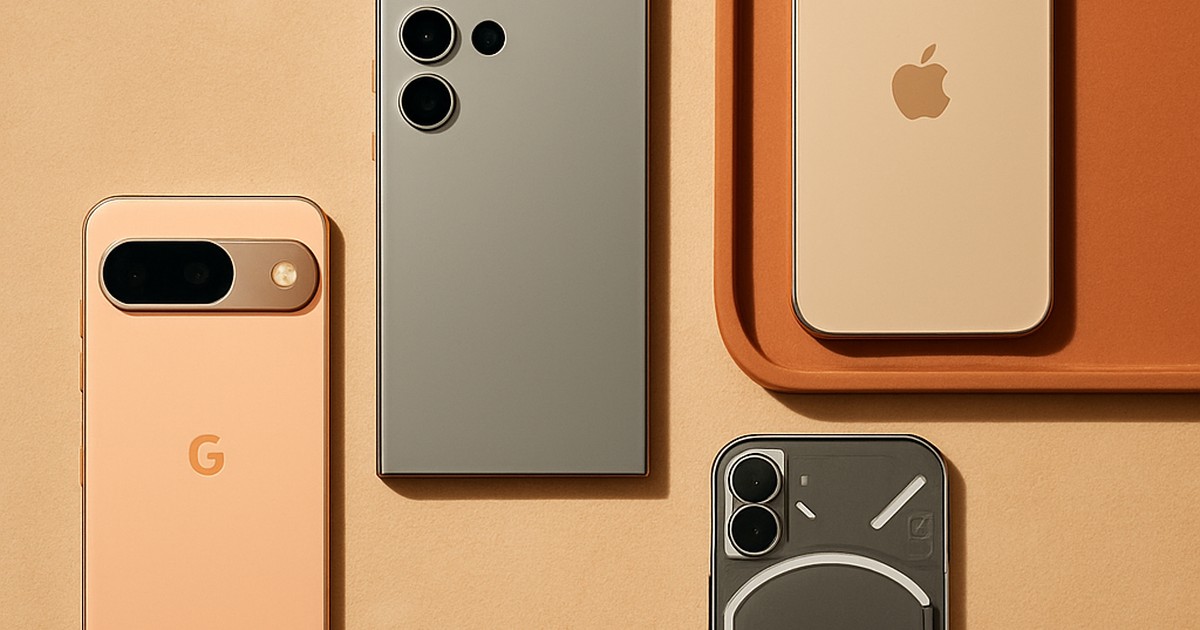
In May 2026, the smartphone landscape presents a fascinating blend of innovation and stabilization across various price segments. The Pixel 9a Pro emerges as this month’s definitive mid-range champion, setting a new standard at $599. Meanwhile, in the premium Android segment, the Samsung Galaxy S25 Ultra reigns supreme, offering a suite of features that cater to the high-end user. Apple’s iPhone 17 Pro continues to lead in the iOS category, boasting a robust design and cutting-edge technology. Perhaps most intriguingly, the Nothing Phone 3 challenges expectations with its unique design and functionality, establishing itself as a remarkable underdog in a competitive market. This article delves into these standout devices, examining what makes each the best in its class and why they merit your attention this month.
Context
The smartphone industry in 2026 has maintained a steady cadence of innovation, with each major player carving out its niche across different market tiers. The mid-range category, where the Pixel 9a Pro shines, has become increasingly competitive as manufacturers strive to offer features previously reserved for premium models. Google’s strategy with the Pixel 9a Pro capitalizes on this trend, providing a flagship-level experience at a more accessible price point. The premium segment remains dominated by the likes of Samsung and Apple, whose devices continue to push the boundaries of technology and user experience.
This month, the Samsung Galaxy S25 Ultra stakes its claim as the leading Android option for those seeking a complete package. Its large display, long-lasting software support, and advanced S Pen integration make it a top choice for tech enthusiasts and professionals alike. Concurrently, Apple’s iPhone 17 Pro, with its new chassis design and powerful A19 chip, addresses past criticisms and enhances its standing as the go-to choice for iOS users.
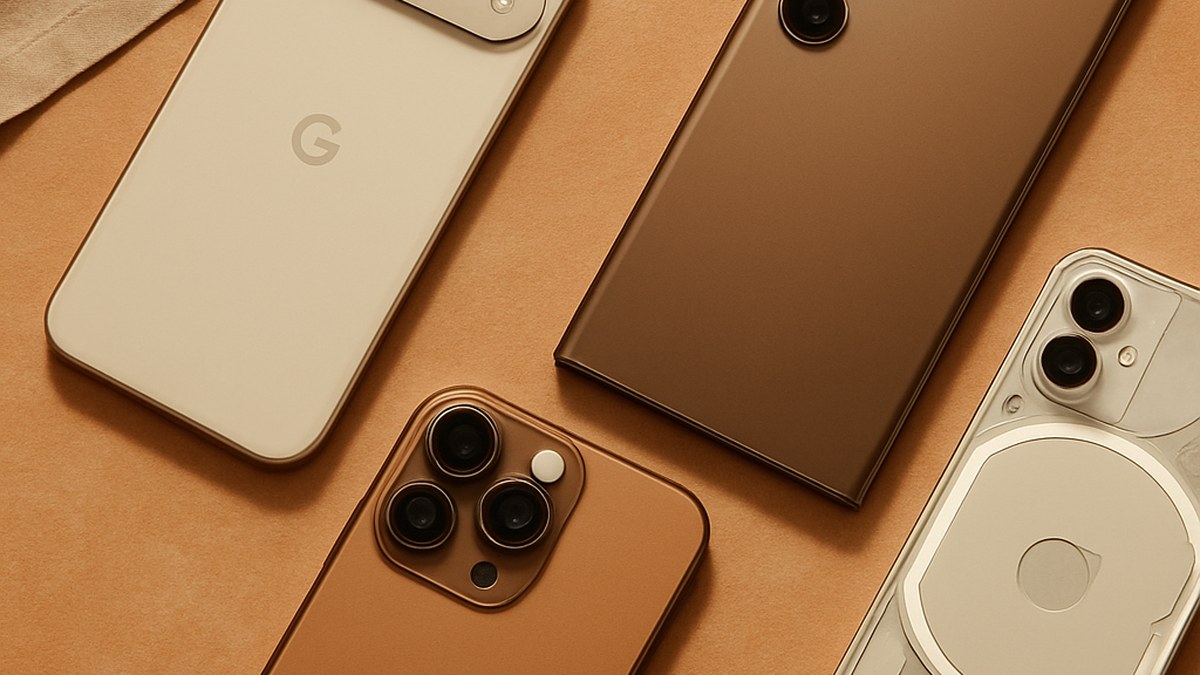
The Nothing Phone 3’s rise is indicative of a growing desire for design innovation in the smartphone market. As consumers seek more than just functionality, the aesthetic and experiential aspects of devices are gaining importance. This trend has allowed new entrants like Nothing to capture attention and market share, especially among those disenchanted with the homogeneity of current offerings.
What Happened
The Pixel 9a Pro’s release at $599 marks a significant milestone in the mid-range segment. Google’s decision to equip it with a top-five smartphone camera and display, paired with seven years of Android updates, underscores its commitment to providing high-quality devices at competitive prices. This approach has resonated with consumers and critics alike, with many praising its value proposition.
Meanwhile, the Samsung Galaxy S25 Ultra, priced at $1,299, continues to be the premium Android phone of choice. Its expansive 6.9-inch display and seamless S Pen functionality make it ideal for productivity and media consumption. Publications like TechRadar and Tom’s Guide have universally acknowledged its superiority in the Android lineup, particularly highlighting its long-term software support as a differentiator.
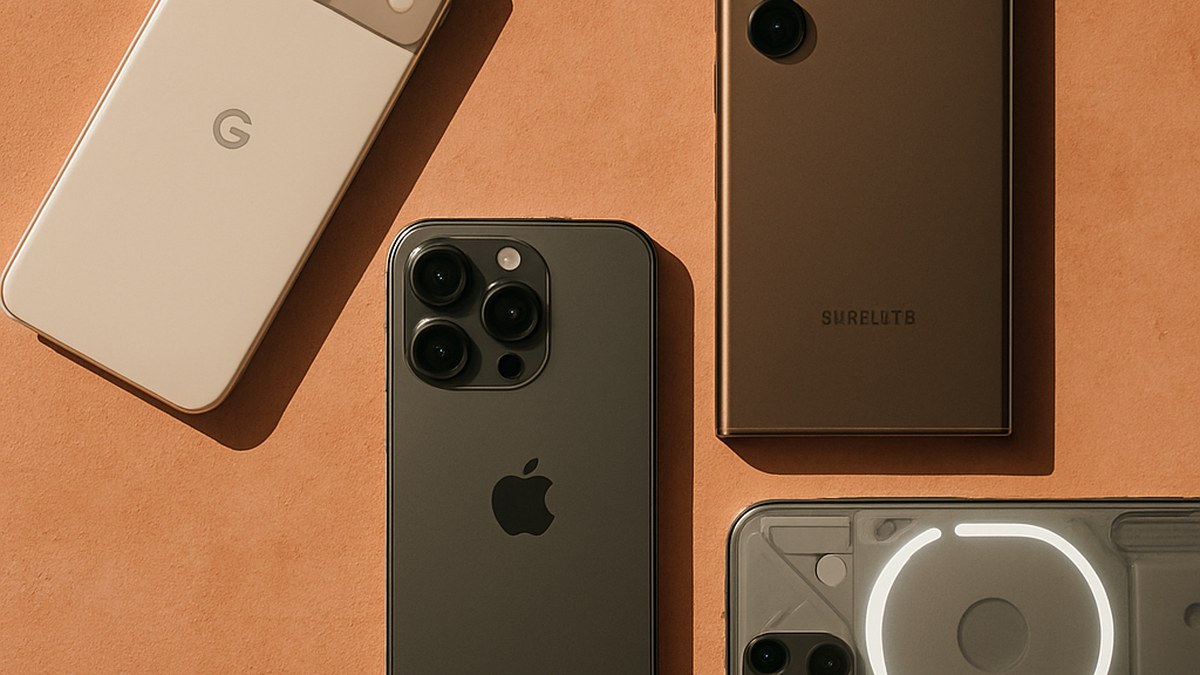
Apple’s iPhone 17 Pro, available at $999, builds on the success of its predecessors by introducing an aluminum-titanium hybrid chassis and the latest Apple Silicon A19 chip. These enhancements, alongside an improved camera system that resolves low-light issues, have reinforced its position as the premier iOS device. Reviewers have been quick to commend its balance of power and efficiency, making it a must-have for Apple aficionados.
Why It Matters
The releases of these top smartphones in May 2026 highlight significant trends within the industry. The success of the Pixel 9a Pro signifies a shift in consumer expectations, where mid-range devices are no longer perceived as compromises but as viable alternatives to flagship models. This trend is poised to intensify competition, pushing manufacturers to continuously innovate while maintaining cost-effectiveness.
The prominence of the Galaxy S25 Ultra in the premium Android category reflects Samsung’s strategic focus on integrating productivity tools with its smartphones. As remote work and digital nomadism become more prevalent, devices that facilitate seamless transitions between personal and professional use will continue to gain traction.
Apple’s ongoing refinement of its iPhone line with the iPhone 17 Pro illustrates the brand’s dedication to maintaining its status as a technological leader. The enhancements in performance and design cater to a loyal user base that values both innovation and reliability. These developments suggest that the battle for supremacy in the smartphone market will increasingly hinge on manufacturers’ ability to balance cutting-edge features with user-friendly experiences.
How We Approached This
In crafting this feature, we meticulously analyzed reviews from trusted sources such as TechRadar, Tom’s Guide, and Wirecutter. Our goal was to highlight the devices that not only scored well in performance benchmarks but also demonstrated real-world utility and user satisfaction. By focusing on both quantitative data and anecdotal insights, we aimed to offer a comprehensive view of each smartphone’s strengths and weaknesses.
We prioritized devices that represented significant technological advancements or compelling value propositions. Our editorial lens emphasized innovation, design, and user experience, while consciously avoiding models that lacked substantial differentiation or failed to meet our performance criteria. This approach ensures that our readers receive a curated list of devices that genuinely stand out in today’s crowded market.
Frequently Asked Questions
What makes the Pixel 9a Pro the best mid-range smartphone?
The Pixel 9a Pro stands out in the mid-range category due to its exceptional camera and display, which rival those of more expensive competitors. Coupled with seven years of Android updates, it offers long-term value and performance at a competitive price of $599, making it an attractive choice for budget-conscious consumers seeking flagship-level features.
Why is the Samsung Galaxy S25 Ultra recommended for premium Android users?
The Samsung Galaxy S25 Ultra is highly recommended for premium Android enthusiasts because of its expansive 6.9-inch display, advanced S Pen integration, and extended software support. Priced at $1,299, it provides a comprehensive suite of features that cater to users who demand the best in productivity and media consumption, making it a top pick in its class.
How does the iPhone 17 Pro improve upon its predecessor?
Apple’s iPhone 17 Pro introduces an aluminum-titanium hybrid chassis and the latest Apple Silicon A19 chip, which enhance durability and performance. With an improved camera system addressing low-light issues, the iPhone 17 Pro builds on its predecessor’s strengths, offering a more balanced and refined user experience that appeals to both new and loyal Apple users.
As the smartphone market continues to evolve, the devices highlighted in this article represent the forefront of innovation and value. The Pixel 9a Pro, Samsung Galaxy S25 Ultra, iPhone 17 Pro, and Nothing Phone 3 each, in their own right, encapsulate the diverse needs and desires of today’s consumers. Looking ahead, the patterns established this month suggest a future where mid-range capabilities continue to rise, premium devices integrate more deeply with user lifestyles, and design-forward thinking challenges the status quo. As you consider your next smartphone purchase, keep these trends and standout models in mind to make an informed decision.