As technology enthusiasts and industry leaders gather at the Shoreline Amphitheatre for Google I/O 2026, all eyes are on what promises to be a defining moment for the tech giant. Opening on Tuesday, May 19, at 10 AM PT, this year’s conference is packed with groundbreaking announcements poised to reshape Google’s ecosystem. Among the most anticipated reveals is the Gemini 4 frontier, rumored to be unveiled during the keynote—a move expected to redefine the boundaries of AI capabilities. Alongside, the Gemini 3.2 Flash rollout marks Google’s largest simultaneous deployment across its most popular services, while Android 17’s developer preview hints at sophisticated integrations with on-device AI. This article delves into these announcements and explores the implications of Google’s ambitious roadmap, shaping the future of technology and digital interaction.
Context
Since its inception, Google I/O has been a hallmark event in the tech calendar, offering a glimpse into Google’s latest technological innovations and strategic directions. Originally focused on software developers, I/O has expanded its appeal over the years to encompass a broader audience, reflecting Google’s increasingly pervasive role in our digital lives. The 2026 edition is set against a backdrop of rapid advancements in AI and machine learning, domains where Google has consistently pushed the envelope.
Throughout 2025, Google laid the groundwork for this year’s announcements by investing heavily in AI research and development. The Gemini project, which has already seen multiple iterations, serves as a cornerstone of Google’s AI strategy. As such, the tech community has eagerly anticipated the next leap forward, potentially delivered by Gemini 4. In parallel, Google has been refining its hardware offerings, aiming to integrate AI functionality more deeply into everyday devices.
This week is particularly pivotal as it follows closely on the heels of significant industry moves by competitors like OpenAI and Anthropic, both of which have launched products that challenge Google’s AI leadership. The stakes are high for Google to demonstrate its technological prowess and reassure stakeholders of its competitive edge. This pressure is amplified by the expansive reach of Google’s ecosystem, from its ubiquitous search engine to the Android operating system that powers a significant portion of the world’s smartphones.
What Happened
The Google I/O 2026 keynote set the stage with a series of major announcements. The most anticipated reveal was Gemini 4, positioned as a groundbreaking evolution in AI capabilities. Although details were sparse, the reveal signaled a leap forward in processing power and versatility, sparking immediate speculation about its applications and potential to rival other AI models.
Simultaneously, Google announced the rollout of Gemini 3.2 Flash across its core services: Search, Maps, YouTube, Docs, Gmail, and Chrome. This unprecedented deployment is hailed as the largest single model integration in history, promising enhanced user experiences through more intuitive and responsive AI interactions. Google emphasized the transformative potential of this rollout in streamlining access to information and improving productivity.
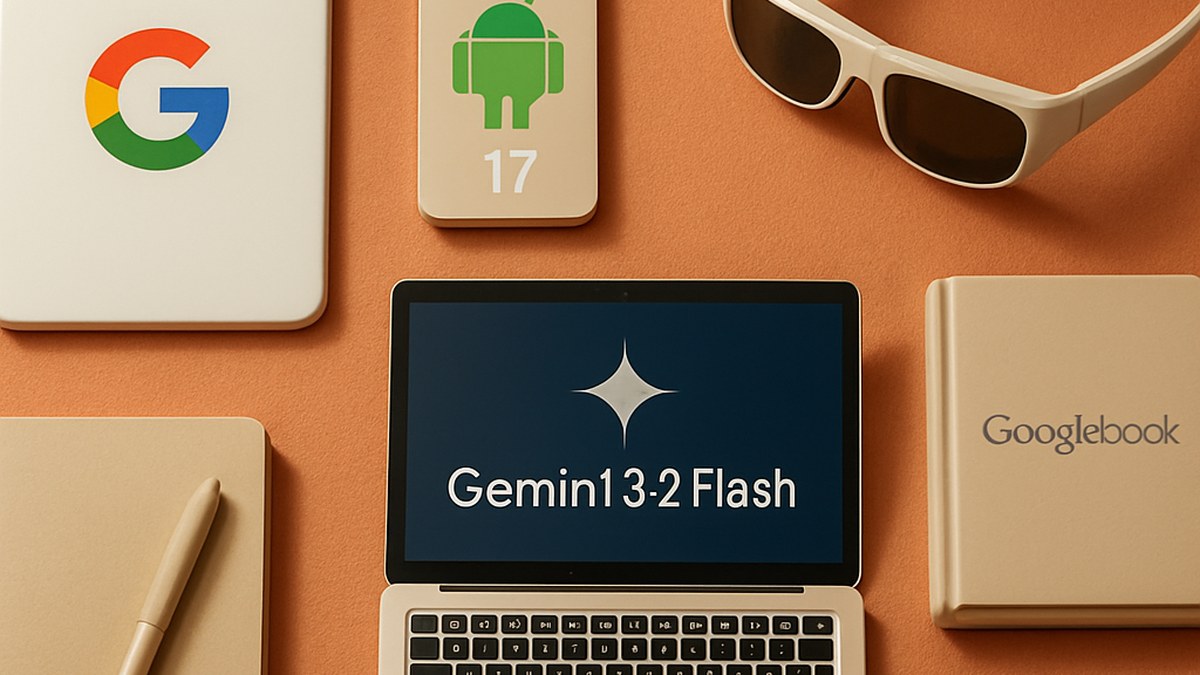
Another highlight was the preview of Android 17, which incorporates Gemini-Nano, a lightweight AI model designed for seamless integration within system services. Slated for a stable release by Q3, Android 17 promises to enhance device performance and user engagement through personalized content and advanced predictive capabilities. The developer preview showcased robust improvements in security, battery efficiency, and user interface, setting high expectations for the upcoming release.
Why It Matters
The developments unveiled at Google I/O 2026 are poised to have far-reaching implications for both the industry and end-users. The introduction of Gemini 4 promises to push the boundaries of what is possible with AI, potentially disrupting existing paradigms in machine learning and automation. As businesses strive to harness AI for competitive advantage, Gemini 4 could become a critical tool in sectors ranging from healthcare to finance.
Meanwhile, the Gemini 3.2 Flash deployment across Google’s platforms is expected to enhance user interaction by delivering faster, more accurate information and services. This integration not only cements Google’s leadership in AI but also positions its products as essential tools for daily digital engagement, potentially increasing user retention and expanding its market share.
Android 17’s emphasis on AI-driven personalization speaks to a broader trend of integrating intelligent systems within consumer electronics. As devices become smarter and more adaptive, they could redefine user expectations and increase demand for AI-integrated products. This shift could spur innovation across the tech industry, encouraging competitors to accelerate their own AI developments.
How We Approached This
In crafting this article, we prioritized a comprehensive analysis of Google’s key initiatives announced during the I/O 2026 event. Our methodology included reviewing live keynote coverage, press releases, and expert commentary to ensure an accurate and balanced perspective. We aimed to emphasize the strategic importance of each announcement, highlighting how they align with broader industry trends and Google’s long-term goals.
We chose to focus on the most impactful developments, giving special attention to Gemini 4 due to its anticipated significance. Our editorial lens is shaped by a commitment to providing insights that not only inform our audience but also provoke thought on the evolving role of AI in technology. By concentrating on the implications for both industry and consumers, we aimed to deliver a piece that resonates with our readers while maintaining our publication’s voice.
Frequently Asked Questions
What is Gemini 4?
Gemini 4 is the latest iteration in Google’s Gemini series of AI models, unveiled at Google I/O 2026. It’s expected to offer significant advancements in processing power and versatility, potentially setting new standards in AI capabilities. This model could enhance applications in various fields, making AI more accessible and effective for developers and businesses.
When will Android 17 be available?
The developer preview of Android 17 was announced at Google I/O 2026, with a stable release target set for Q3 2026. This new version promises enhanced performance, security, and integration of AI features, including the Gemini-Nano model, which aims to personalize user experiences and improve device efficiency.
What is the Gemini 3.2 Flash rollout?
The Gemini 3.2 Flash rollout refers to the simultaneous integration of the Gemini 3.2 AI model across Google’s core services such as Search, Maps, YouTube, Docs, Gmail, and Chrome. Announced at Google I/O 2026, this deployment is the largest of its kind, aiming to enhance user interactions by making AI-driven insights and functionalities more accessible across Google’s platforms.
As Google I/O 2026 concludes, the announcements made during the conference are set to reshape the landscape of AI and consumer technology. The anticipated developments, particularly around Gemini 4 and Android 17, underscore Google’s commitment to pushing technological boundaries and setting industry standards. As we look to the future, these innovations promise to redefine how users interact with technology, driving both the evolution of AI and the devices we use daily. The unfolding impact of these announcements will be crucial to watch, offering insights into the next phase of digital transformation.