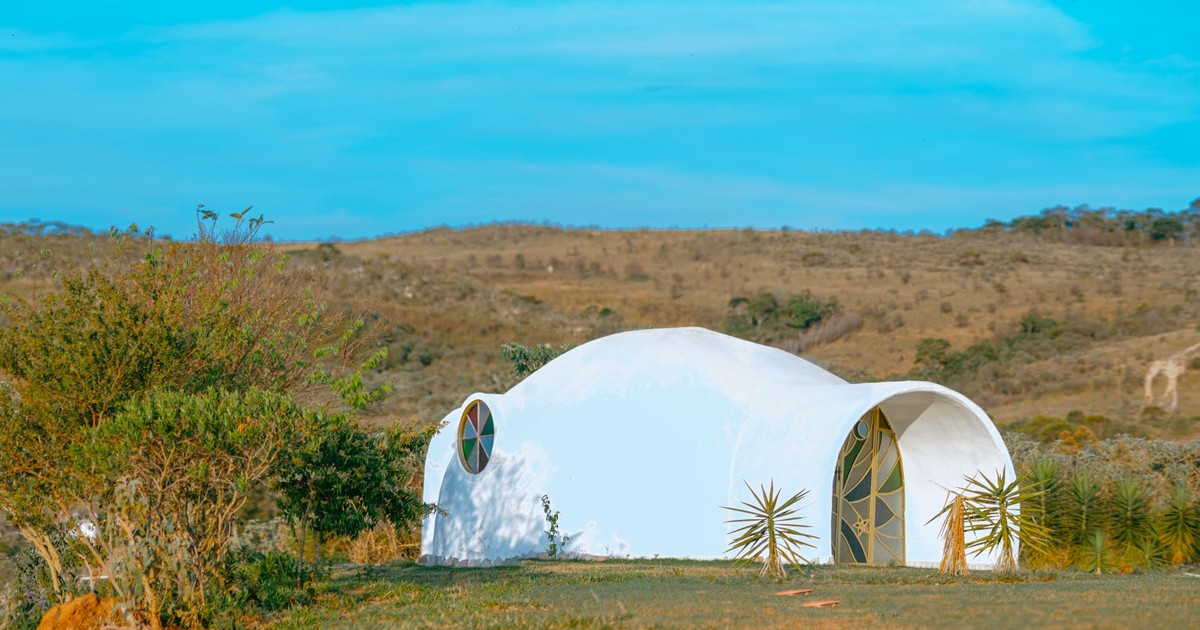
Introduction: When Weird Meets Wonderful
Home design is a realm of constant reinvention. While timeless styles like mid-century modern and farmhouse chic have their place, a new wave of unconventional experts—from avant-garde architects to maximalist artists—are pushing boundaries. They champion ideas that, at first glance, might seem utterly bizarre. Yet, when executed with intention, these trends don’t just work; they transform a space, solving problems and injecting personality in ways conventional wisdom never could. This listicle dives into the six most head-turning, conversation-starting home design trends that, against all odds, deliver stunning and functional results. Prepare to have your preconceptions challenged.
| # | Pick | Best For | Key Strength | Watch-out |
|---|---|---|---|---|
| 1 | The Cluttered Core Aesthetic | Neurodivergent individuals and creative minds seeking personal spaces | Creates emotional resonance through curated personal memorabilia displays | Requires careful curation to avoid appearing as hoarding rather than intentional |
| 2 | Biophilic Bathrooms | Wellness-focused individuals wanting spa-like daily sanctuaries | Integrates natural elements like moss walls and river stones for stress reduction | Needs proper maintenance of living elements and humidity control systems |
| 3 | Non-Rectangular Room Dividers | Open-concept living spaces needing intimate zones without walls | Provides visual privacy while allowing light and air flow through sculptural forms | Custom designs can be expensive and may limit furniture arrangement flexibility |
| 4 | Ugly Color Palettes | Those seeking unique, emotionally evocative spaces over trendy designs | Creates warmth and sophistication through complex, nostalgic color combinations | Requires confidence and commitment to avoid appearing dated or mismatched |
| 5 | Functional Ceiling Design | Small home owners needing to maximize limited space efficiently | Activates unused ceiling space for storage, lighting, and visual proportion control | Installation can be complex and may require structural considerations |
| 6 | The Anti-Kitchen Kitchen | Minimalists and small space dwellers prioritizing mental clarity | Conceals cooking areas completely to create serene, multi-functional living spaces | Limited appliance access and storage may challenge frequent cooking routines |
6. The “Cluttered Core” Aesthetic
Forget minimalism’s stark, empty surfaces. The Cluttered Core aesthetic, pioneered by designers who study memory and nostalgia, is a deliberate, artful embrace of “stuff.” This isn’t about hoarding; it’s about curated accumulation. Think walls dense with a mix of fine art, vintage postcards, and personal mementos, or shelves where first-edition books cozy up to quirky thrift store finds and travel souvenirs.
Why It Works
This trend works because it prioritizes emotional resonance over sterile perfection. It creates a space that feels lived-in and deeply personal. For neurodivergent individuals or creative minds, visual stimuli can be calming and inspiring. The key is cohesion through color, texture, or theme. A wall of only black-and-white art and photos, no matter how densely hung, feels intentional. This approach turns your home into a narrative of your life, a 3D mood board that sparks joy and conversation daily.
5. Biophilic Bathrooms (Beyond a Potted Plant)
We’ve all seen bathrooms with a small aloe vera on the windowsill. The new biophilic bathroom trend, as advocated by wellness-focused architects, goes far beyond. Imagine a “green wall” of moss behind the bathtub, a shower floor made of smooth, heated river stones, or a skylight that opens directly above you to let in rain-scented air. This is about integrating natural elements as fundamental building blocks, not decorations.
Why It Works
The science is clear: connection to nature reduces stress, lowers blood pressure, and improves well-being. By transforming the bathroom—a place of cleansing and ritual—into a miniature ecosystem, you create a daily sanctuary for mental reset. Materials like stone and wood regulate humidity naturally, and living walls improve air quality. It’s a functional trend that turns a utilitarian space into a spa-like retreat rooted in primal comfort.
4. Non-Rectangular Room Dividers
Goodbye, boring bookshelf room dividers. Hello, amorphous, sculptural partitions. Designers with backgrounds in sculpture and spatial dynamics are creating functional room dividers that look like frozen fabric, cascading ceramic tiles, or organic, tree-like wooden structures. These pieces don’t just separate space; they become the room’s focal point, defining areas with fluid, unconventional shapes.
Why It Works
In open-concept living, creating intimacy can be a challenge. A solid wall feels too permanent, but a standard divider can feel cheap. A sculptural divider provides visual privacy and acoustic buffering while allowing light and air to flow. It adds an undeniable artistic statement and can make a small apartment feel dynamically zoned without the claustrophobia of walls. It’s a solution that is both aesthetic and pragmatic.
3. “Ugly” Color Palettes
Forget safe greiges and tranquil blues. The boldest color theorists are championing palettes once deemed “ugly” or dated: think mustard yellow paired with muddy brown, avocado green with terracotta, or a bold, retro peach with slate gray. These are the complex, often nostalgic colors that have more depth and personality than their trendy counterparts.
Why It Works
These so-called ugly colors work because they are complex and emotionally evocative. They have a warmth and richness that flat, trendy colors often lack. A room in a fully committed palette of ochre, rust, and chocolate brown feels incredibly cozy, grounded, and sophisticated—not drab. It defies fleeting trends, creating a unique and memorable space. When used confidently, these colors create a mood that is impossible to achieve with safer choices.
2. Functional Ceiling Design
For centuries, ceilings have been an afterthought—painted white and forgotten. No more. Unconventional experts in ergonomics and small-space design are looking up, transforming the “fifth wall” into a zone of high utility. This includes installing track systems for hanging plants, lights, or even lightweight furniture, creating ceiling-mounted storage nets, or using bold paint and molding to visually alter room proportions.
Why It Works
In smaller homes, this trend is a game-changer. It frees up precious floor and wall space. A ceiling track system allows you to reconfigure your lighting or greenery layout on a whim. A dark-painted ceiling can make a tall, narrow room feel cozier, while a light, reflective one can make a low room feel airy. By activating the ceiling, you maximize every cubic inch of your home, adding both function and dramatic architectural interest.
1. The “Anti-Kitchen” Kitchen
Topping our list is the most radical trend: the Anti-Kitchen Kitchen. Spearheaded by chefs-turned-designers and minimalists, this concept challenges the kitchen as a showroom of appliances. It often involves hiding or dramatically reducing the visual footprint of the cooking zone. Think of a single, monolithic block containing induction cooktop, sink, and storage, which then gets concealed behind full-height panels that match the cabinetry. Or, a kitchen that disappears entirely into a wall of cabinetry, leaving a serene, uncluttered space when not in use.
Why It Works
This trend works brilliantly for mental clarity and flexible living. In open-plan spaces, the visual noise of a full kitchen can dominate. The anti-kitchen prioritizes calm and social space, allowing the room to transform based on use. It’s also a boon for smaller homes and accessory dwelling units (ADUs), where space must multi-task. Furthermore, it forces a more mindful approach to cooking and cleanup—you only have what you need, and everything has its place. It’s the ultimate marriage of extreme minimalism and high function.
Conclusion: Embracing the Unconventional
The common thread among these six bizarre home design trends is a fearless focus on personal well-being and functional artistry over following the rulebook. They prove that the most rewarding design choices often come from questioning the default. Whether it’s finding peace in a curated clutter, drawing energy from a biophilic shower, or reclaiming serenity with a hidden kitchen, these ideas from unconventional experts offer more than just a new look—they offer a new way to live in and experience our homes. The next time you consider a design update, ask yourself not what’s trending, but what truly feels right, even if it seems a little weird at first. That’s where magic happens.